
Aedes Mosquito Control
Context
-
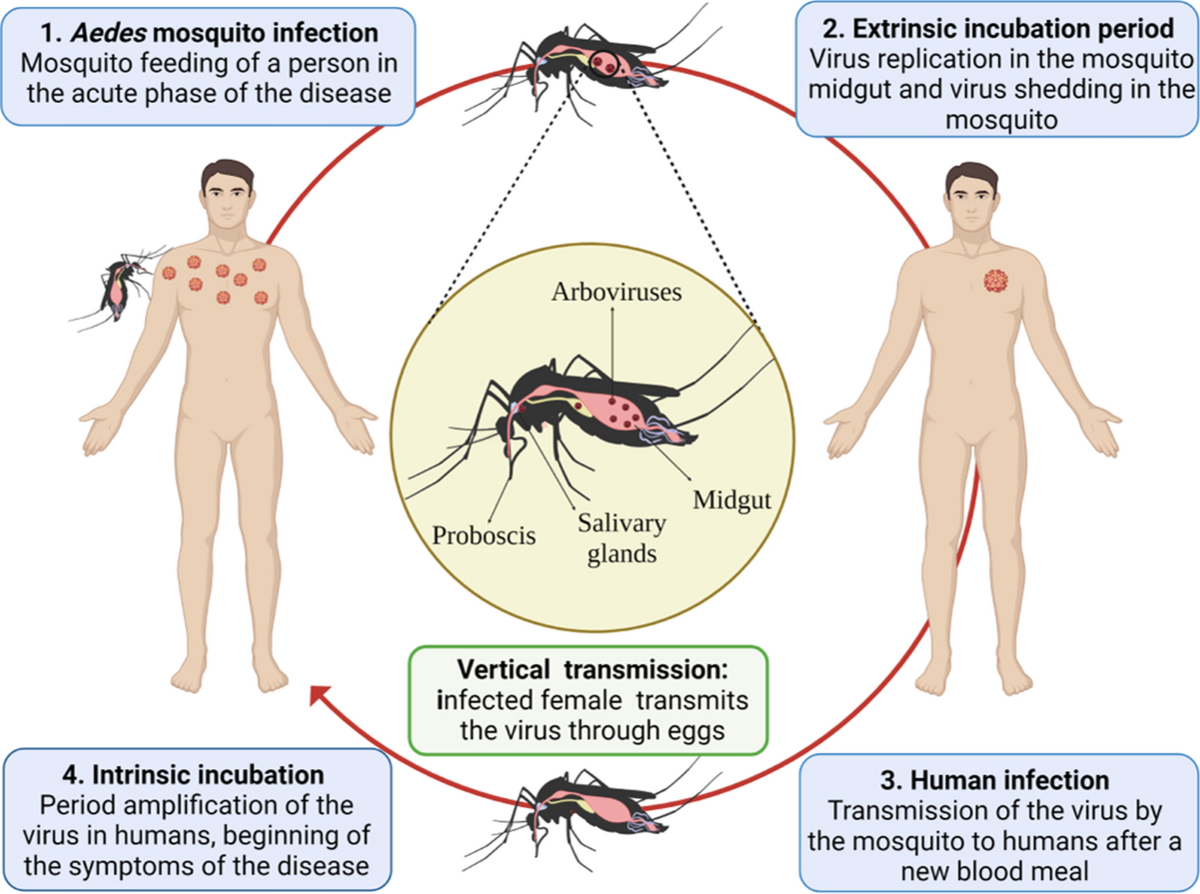
Aedes-borne viral diseases (ABVD): Dengue, Zika, Chikungunya.
-
Challenge: Persisting reliance on fumigation, though evidence shows it is ineffective.
Nature of the Aedes Mosquito
-
Adapts to human settings; feeds indoors during day and under artificial light.
-
Short flight range: 100–200 metres → local actions are highly effective.
-
Traditional methods (fumigation, vaporizers, bed nets) ineffective.

Current & Emerging Strategies
A. Top-Down Approaches
-
Wolbachia mosquitoes: Bacteria reduces transmission capacity; promising but costly.
-
Dengue vaccines: Under trial, but no coverage for Zika/Chikungunya.
-
Spatial emanators (transfluthrin-coated sheets): 15-day indoor protection; Peru study showed 34% reduction in ABVD risk.
B. Personal Protection (First Line of Defence)
-
Clothing: Loose, full-body covering (esp. Sept–Nov).
-
Repellents:
-
Approved globally: DEET (20%), picaridin, 2-undecanone, IR3535.
-
Plant-based (OLE/PMD): Effective but not for children <3 yrs.
-
Citronella & similar oils: Unreliable, short-lasting, risk of irritation.
-
C. Community Mobilisation (Bottom-Up)
-
Larval Source Reduction:
-
Removal of stagnant water (pots, vases, coolers, tyres, plastics).
-
Use of lids on water containers (cuts larval odds by 94%).
-
-
Evidence-based studies:
-
Camino Verde RCT (Latin America): 29% reduction in dengue infections via community-led action.
-
Chennai RCT: Reduced larval breeding.
-
-
Temephos larvicide: Shown to increase risk due to false security + resistance.
-
Plastic pollution: Strong predictor of dengue outbreaks.
Policy & Campaigns in India
-
MoHFW 2017 Monograph – India Fights Dengue: India-specific guidelines (coconut shells, coolers, etc.).
-
ASHA workers: Potential to implement larval control at community level.
-
Delhi Campaign – Rule of 10: “10 Weeks, 10 AM, 10 Minutes” → weekly household water-check routine (Sept–Nov).
Way Forward
-
Shift from fogging-centric approaches → larval control + personal protection.
-
Ensure availability of safe repellents (DEET, picaridin, PMD, IR3535) in Indian markets.
-
Integrate bottom-up community mobilisation with top-down innovations (Wolbachia, spatial emanators, vaccines).
-
Address plastic pollution & waste management as part of dengue prevention.
-
Build public awareness to fight misinformation about repellents.