
Aquaculture Model of Sundarbans Wins FAO Recognition
Context:
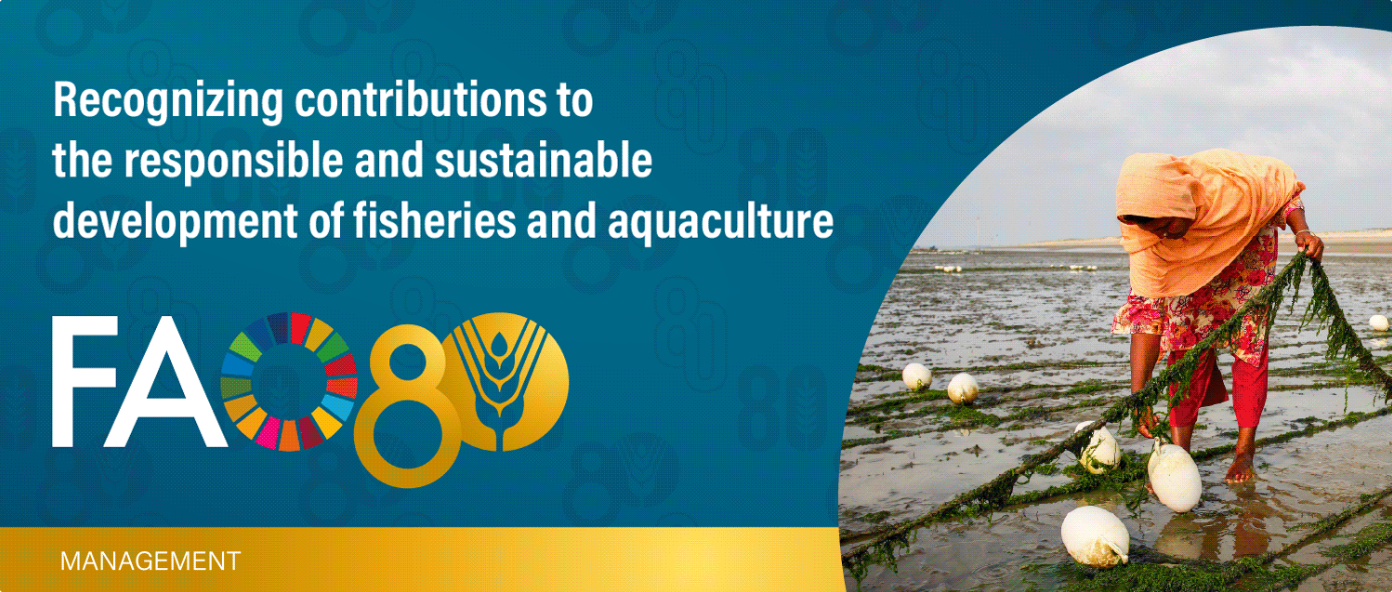
A model of Sustainable Aquaculture in Mangrove Ecosystems (SAIME) developed by the Nature Environment and Wildlife Society (NEWS) in West Bengal’s Sundarbans has received Global Technical Recognition from the Food and Agriculture Organization (FAO) of the United Nations.
The recognition was conferred during FAO’s 80th Anniversary Celebrations and the World Food Forum held in Rome, Italy, on October 15, 2025.
Key Details:
Developing Organization: Nature Environment and Wildlife Society (NEWS), a Kolkata-based NGO.
Location: Indian Sundarbans region, specifically in North 24 Parganas (Chaital) and South 24 Parganas (Madhabpur) districts of West Bengal.
Area Covered: 29.84 hectares of farm area.
Beneficiaries: 42 fish farmers.
About SAIME Model (Sustainable Aquaculture in Mangrove Ecosystems):
Integrates aquaculture practices with mangrove conservation.
Ensures 5%–30% mangrove coverage in aquaculture ponds.
Promotes ecosystem-based, climate-adaptive, and conservation-linked livelihood approaches.
Utilizes mangrove litter as natural fodder instead of chemical inputs.
Primarily focuses on Black Tiger Shrimp (Penaeus monodon) monoculture.
Achievements and Impacts:
Economic:
Farmers’ annual average net profit increased by over 100% after implementation.
Reduction in production costs due to decreased use of chemical inputs.
Environmental:
Promotes chemical-free aquaculture.
Enhances carbon sequestration capacity through mangrove integration.
Strengthens coastal resilience against sea-level rise and cyclones.
Helps restore mangrove cover in degraded coastal areas.
Social and Climate Benefits:
Provides sustainable livelihoods to coastal communities.
Aligns with climate action goals and UN Sustainable Development Goals (SDGs), particularly SDG 13 (Climate Action), SDG 14 (Life Below Water), and SDG 15 (Life on Land).
About the Organisation:
Nature Environment and Wildlife Society (NEWS):
Established in 1991 in Kolkata.
Works on wetland management, coastal ecosystem restoration, mangrove conservation, and community-based natural resource management.
Food and Agriculture Organization (FAO)
Introduction:
The Food and Agriculture Organization (FAO) is a specialized agency of the United Nations (UN).
It leads international efforts to defeat hunger, improve nutrition, and ensure global food security.
Motto: “Fiat Panis” (Latin) — translates to “Let there be bread.”
Established on: 16 October 1945 (celebrated as World Food Day every year).
Headquarters: Rome, Italy.
Membership:
Total Members: 195
194 countries + European Union (EU) as a member organization.
FAO operates in over 130 countries through its regional, sub-regional, and field offices.
Governance Structure:
Biennial Conference:
Highest governing body of FAO.
Comprises representatives of all member countries and the EU.
Meets every two years to review global food and agricultural situations, set priorities, and approve the budget.
Council:
49-member executive council elected by the Conference.
Supervises program implementation between sessions.
Major Initiatives and Programs:
FAO Strategic Framework (2022–2031):
Focuses on transforming agrifood systems to make them more efficient, inclusive, resilient, and sustainable.The Hand-in-Hand Initiative:
Targets agricultural transformation in countries with high poverty and hunger rates.Global Soil Partnership, Blue Growth Initiative, and Forest and Landscape Restoration Mechanism — all support sustainability goals.
- Recognizing the critical role of aquatic foods in nourishing communities and sustaining livelihoods, the FAO Conference established the Committee on Fisheries (COFI) in 1965, making FAO the leading global forum for advancing sustainable aquatic food systems and strengthening their contribution to combating hunger, malnutrition, and poverty.
India is a founding member of FAO.
Collaborates with FAO in areas such as food security, nutrition, sustainable agriculture, fisheries, and climate adaptation.
FAO has supported India’s policies on millets promotion, digital agriculture, biodiversity conservation, and rural livelihoods.
India hosted FAO’s 75th Anniversary event (2020), highlighting the role of small farmers in food security.
Global Sustainable Aquaculture Advancement Partnership (GSAAP)
Introduction and Background:
The Global Sustainable Aquaculture Advancement Partnership (GSAAP) is a voluntary partnership mechanism initiated by the Food and Agriculture Organization (FAO) of the United Nations.
Launched in 2024, the partnership aims to strengthen cooperation among aquaculture stakeholders, enhance scientific understanding, and promote innovation in sustainable aquaculture technologies.
The initiative aligns with FAO’s Blue Transformation Roadmap, which seeks to make aquaculture more sustainable, resilient, and inclusive in the face of climate change and food insecurity.