
BHARAT (Biomarkers of Healthy Aging, Resilience, Adversity, and Transitions)
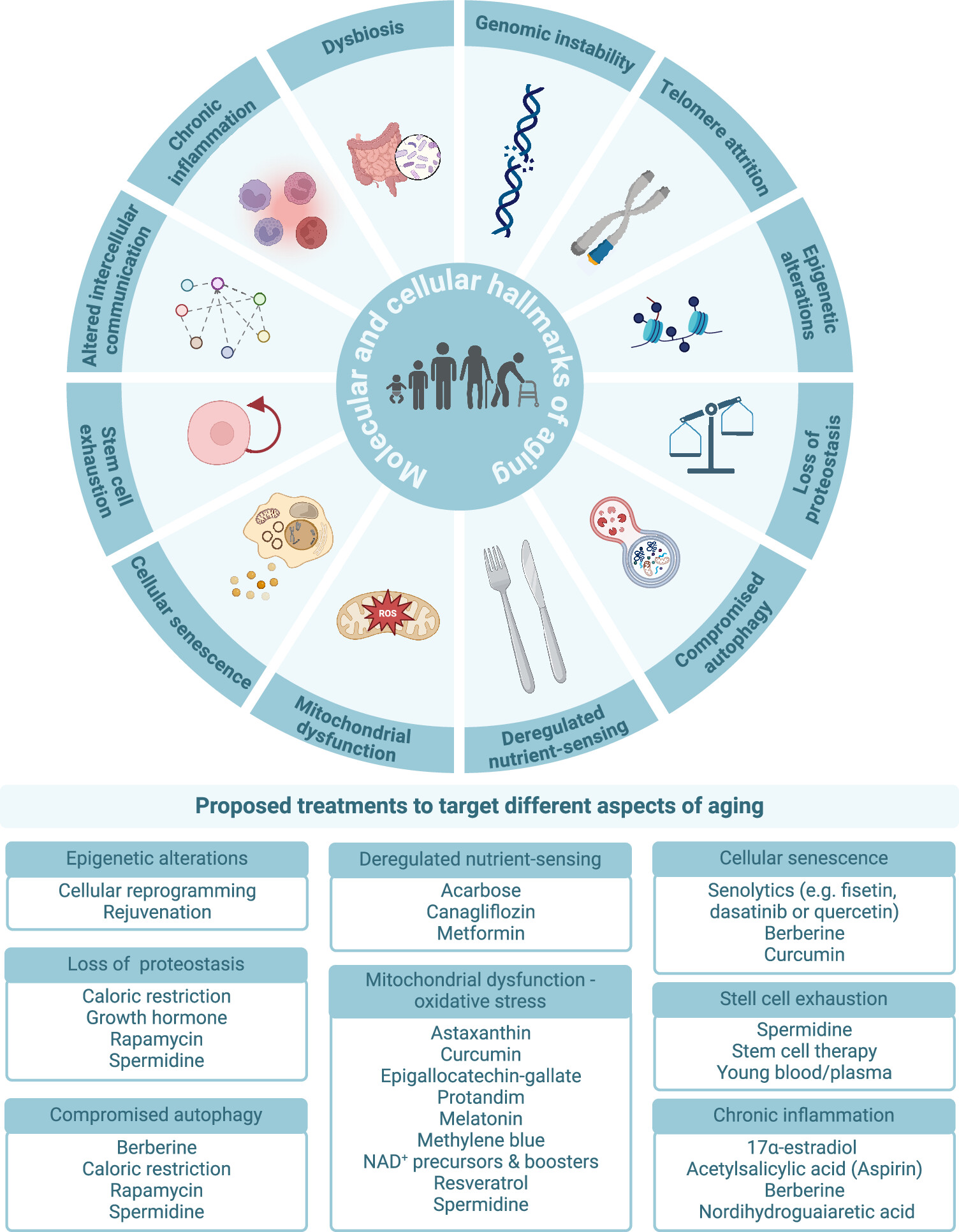
Context: The BHARAT study (Biomarkers of Healthy Aging, Resilience, Adversity, and Transitions), launched by the Indian Institute of Science (IISc), Bengaluru, is a large-scale initiative under the Longevity India Program. Its goal is to define India-specific indicators of healthy ageing, addressing the limitations of global biomarkers that often rely on Western populations.
Key Objectives:
-
Build a ‘Bharat Baseline’ — a reliable, India-specific reference for physiological, molecular, and environmental health indicators.
-
Understand the biological ageing process in Indians beyond chronological age.
-
Identify biomarkers for early detection and prediction of age-related diseases (like Parkinson’s, dementia, cardiovascular and metabolic disorders).
-
Use AI and machine learning to integrate multi-dimensional data and simulate outcomes of health interventions.
Why It’s Needed:
-
Most global ageing and health benchmarks are based on Western populations, leading to:
-
Misdiagnosis in India (e.g., inflated CRP levels or vitamin D/B12 deficiency labels).
-
Inaccurate diagnostic cut-offs and ineffective treatment plans for Indian patients.
-
-
Studies project:
-
168% rise in Parkinson’s cases in India by 2050.
-
200% rise in dementia in low- and middle-income countries.
-
Features of the BHARAT Study:
-
Multi-dimensional data: genomic, proteomic, metabolic, lifestyle, environmental.
-
India-specific variations in markers (e.g., CRP inflammation linked to early infections or chronic undernutrition).
-
AI models will detect subtle signals, evaluate intervention impacts, and improve clinical decision-making.
Challenges Ahead:
-
Obtaining samples from healthy adults across diverse geographies.
-
Sustaining long-term government and philanthropic funding.
-
Scaling up for nationwide sampling amidst India’s diversity.
BHARAT is a pioneering effort to define what healthy ageing looks like for Indians, replacing borrowed Western standards with data-backed, context-specific health indicators. It could revolutionize preventive healthcare and enable more accurate, early interventions for India’s ageing population.