
Bulgaria to Adopt Euro as 21st Member of Eurozone
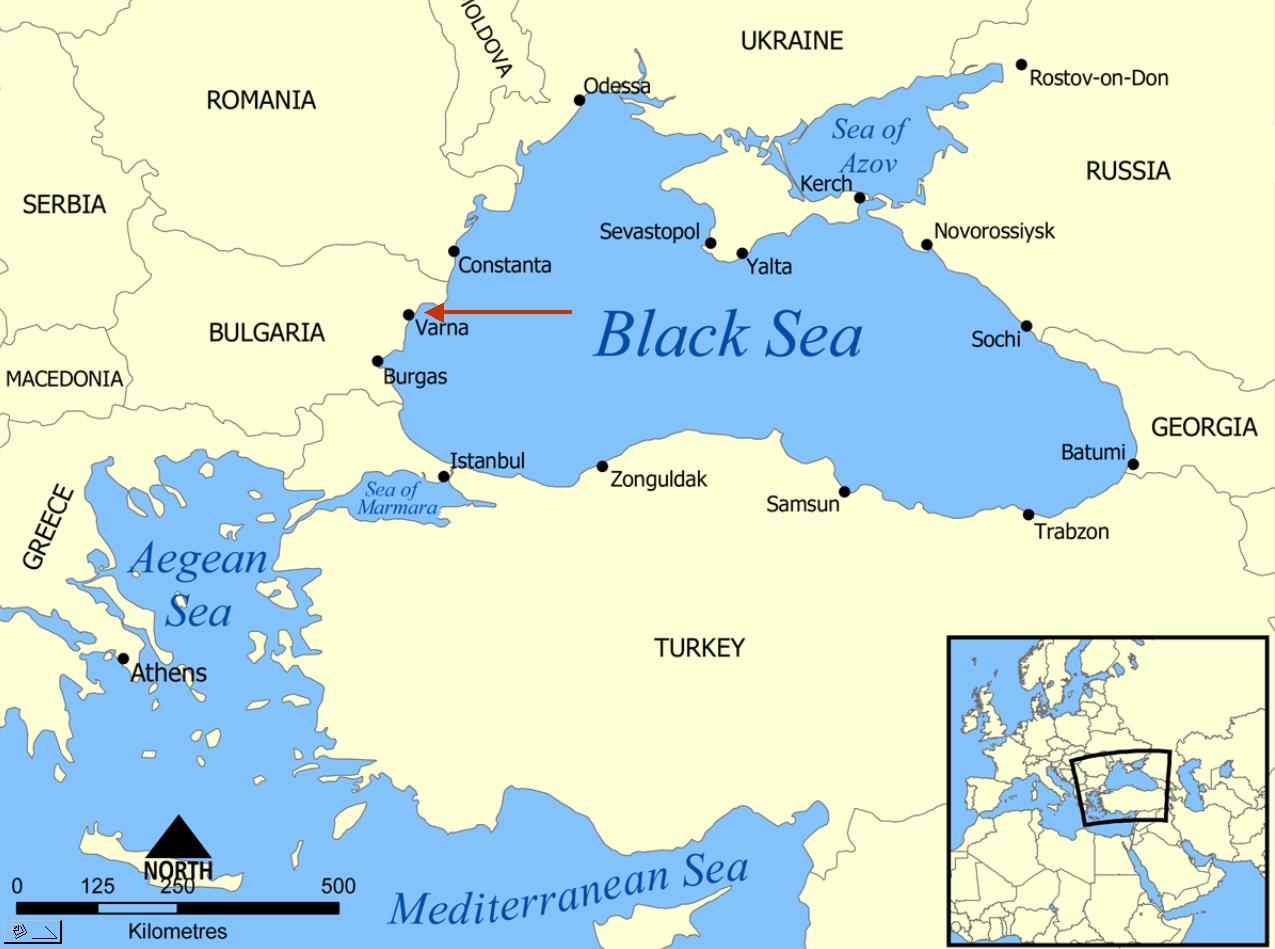
Why in news : The European Union finance ministers have approved Bulgaria's adoption of the euro, effective from January 1, 2026. This will make Bulgaria the 21st country to join the eurozone, nearly 19 years after its EU accession.
·
The official conversion
rate is set at 1 euro =
1.95583 Bulgarian lev.
·
The transition marks a significant step in Bulgaria’s economic integration with the EU and the European Monetary
Union (EMU).
This
move strengthens the eurozone’s cohesion and signals continued EU expansion of
the common currency.
Eurozone
The Eurozone (EZ), or euro area,
is a currency union of 21 EU member states
that have adopted the euro (€) as their official currency and
fully implemented Economic and Monetary Union (EMU) policies.
Members (21
Countries)
- Founding Members (1999): Austria, Belgium, Finland, France, Germany, Ireland, Italy,
Luxembourg, Netherlands, Portugal, Spain
- Later Entrants:
- Greece (2001)
- Slovenia (2007)
- Cyprus, Malta (2008)
- Slovakia (2009)
- Estonia (2011)
- Latvia (2014)
- Lithuania (2015)
- Croatia (2023)
- Bulgaria
(approved, joining on 1 January 2026)

Other Users of
the Euro (Non-EU States)
- Formal agreements: Andorra, Monaco, San Marino, Vatican City
- Unilateral adoption: Kosovo, Montenegro
(These states have no role in eurozone institutions)
Institutional
Framework
- European Central Bank (ECB): Controls monetary policy, sets base
interest rate, and issues currency
- Eurosystem: Collective of ECB and national central
banks of eurozone
- Eurogroup: Informal body of eurozone finance ministers
- European System of Central Banks (ESCB): Includes both eurozone and non-eurozone
EU central banks for cooperation
Key Facts
- Germany and France together contribute nearly 50% of
eurozone’s economic output.
- The eurozone covers about half of
geographical Europe.
- Seven EU states are not in the eurozone (as of now):
- Committed to joining: Czech Republic, Hungary, Poland,
Romania, Sweden
- Opt-out: Denmark
- Joining soon: Bulgaria (in 2026)
Crisis &
Integration
- Post-2008 financial crisis,
emergency bailout provisions and partial fiscal coordination (e.g.,
budget peer reviews) were introduced.
- No member has ever exited the eurozone,
and there are no formal rules for withdrawal or expulsion.