
CDSCO Calls for List of All Indian Cough Syrup Manufacturers
Context
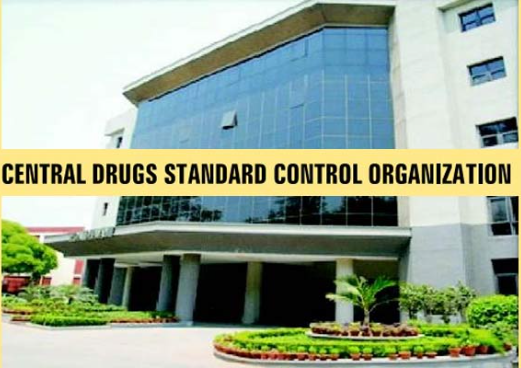
The Central Drugs Standard Control Organisation (CDSCO) has directed all State governments to provide a comprehensive list of cough syrup manufacturers operating within their jurisdictions. This move comes amid renewed concerns over the quality of domestically marketed medicines and reports of child deaths linked to contaminated syrups.
Background
In recent years, several incidents involving contaminated cough syrups have raised alarm about manufacturing standards and regulatory oversight.
The latest episode involved three Indian-made syrups —> Coldrif, Respifresh, and ReLife which were found to contain Diethylene Glycol (DEG), a toxic industrial solvent used in antifreeze.
These products were not exported, and the contamination was traced to domestic markets in India.
CDSCO’s Actions
The CDSCO has initiated a joint audit of all cough syrup manufacturers in coordination with State drug control authorities.
It has ordered a recall of the contaminated syrups and suspended production at the identified manufacturing units.
The organisation has also notified the World Health Organization (WHO) about the incident, sharing details of the identified products and the ongoing investigation.
The aim of the audit is to verify quality-control systems, raw material sourcing, and testing procedures for DEG and Ethylene Glycol (EG) — both known to cause kidney failure and fatalities, especially in children.
WHO’s Response
The World Health Organization has expressed readiness to support Indian authorities in investigating the contamination and preventing future incidents.
However, WHO stated that it had not yet received official confirmation about the exact source of the contamination.
It also pointed out a “regulatory gap” in India specifically, the lack of mandatory DEG/EG screening for all domestically marketed medicinal syrups.
WHO has been urging India to tighten pharmacovigilance and quality screening, especially after previous DEG-related deaths in Gambia (2022) and Uzbekistan (2023) involving India-manufactured syrups.
About Diethylene Glycol (DEG)
DEG is a colorless, sweet-tasting, but highly toxic compound used in industrial products like antifreeze and brake fluid.
It is sometimes accidentally or fraudulently substituted for pharmaceutical-grade glycerin or propylene glycol, which are safe syrup solvents.
Ingestion causes acute kidney failure, neurological damage, and death, particularly in children.
Challenges Exposed
Regulatory Gaps:
Lack of uniform DEG/EG testing for all batches of syrups, especially those for domestic use.Inspection Deficiency:
Periodic audits are often irregular due to shortage of technical staff and inadequate laboratory capacity.State-Centre Coordination:
Fragmented enforcement between CDSCO (Centre) and State Drug Controllers leads to oversight loopholes.Quality Control Infrastructure:
Limited number of Central Drugs Testing Laboratories (CDTLs) and varying standards among State Drug Testing Laboratories (SDTLs).
Central Drugs Standard Control Organisation (CDSCO)
Introduction
The Central Drugs Standard Control Organisation (CDSCO) is India’s national regulatory authority for pharmaceuticals, cosmetics, and medical devices.
It functions under the Directorate General of Health Services, Ministry of Health and Family Welfare (MoHFW).
It is headed by the Drugs Controller General of India (DCGI).
CDSCO is equivalent in role to:
USFDA (United States Food and Drug Administration) in the USA, and
EMA (European Medicines Agency) in the EU.
Legal Framework
The regulatory powers of CDSCO stem from:
Drugs and Cosmetics Act, 1940, and
Drugs and Cosmetics Rules, 1945, along with its subsequent amendments and specialized rules.
Key Rules under the Act
Rule / Regulation | Year | Focus |
Drugs Rules | 1945 | Regulates manufacture, sale, and distribution of drugs |
Medical Devices Rules | 2017 | Governs classification, import, and licensing of medical devices |
New Drugs & Clinical Trials Rules | 2019 | Regulates approval of new drugs and clinical trials |
Cosmetics Rules | 2020 | Governs manufacture, import, labeling, and sale of cosmetics |
Functions of CDSCO
Regulatory and Licensing Functions
Approval of new drugs and clinical trials.
Import registration and licensing of drugs and medical devices.
Licensing of blood banks, vaccines, large volume parenterals (LVPs), and recombinant-DNA products.
Grant of test licenses and personal licenses for R&D and education.
Medical Devices Regulation
Oversees import and manufacture of medical devices, especially Class C & D (high-risk) devices.
Ensures compliance with Medical Devices Rules, 2017.
Quality Control and Standards
Conducts pre-licensing and post-licensing inspections.
Post-market surveillance and drug recall (if necessary).
Advisory and Coordination
Works through two key advisory bodies:
Drug Technical Advisory Board (DTAB)
Drug Consultative Committee (DCC)
Coordinates between Central and State Drug Control Authorities.
Pharmacovigilance
Monitors adverse drug reactions through Pharmacovigilance Programme of India (PvPI).
Capacity Building
Conducts training programs, symposia, and workshops for regulators and industry stakeholders.
Banning of Drugs and Cosmetics
Has authority to prohibit manufacture/sale of drugs or cosmetics found unsafe, spurious, or substandard.
Advisory Bodies
Body | Composition | Role |
Drug Technical Advisory Board (DTAB) | Experts from medical, pharmaceutical, and research fields | Advises government on technical matters related to drugs and cosmetics |
Drugs Consultative Committee (DCC) | Central and State Drug Controllers | Ensures uniformity in administration of the Act across India |