
Endocrine Disruptors in Plastic Waste – A New Public Health Threat in India
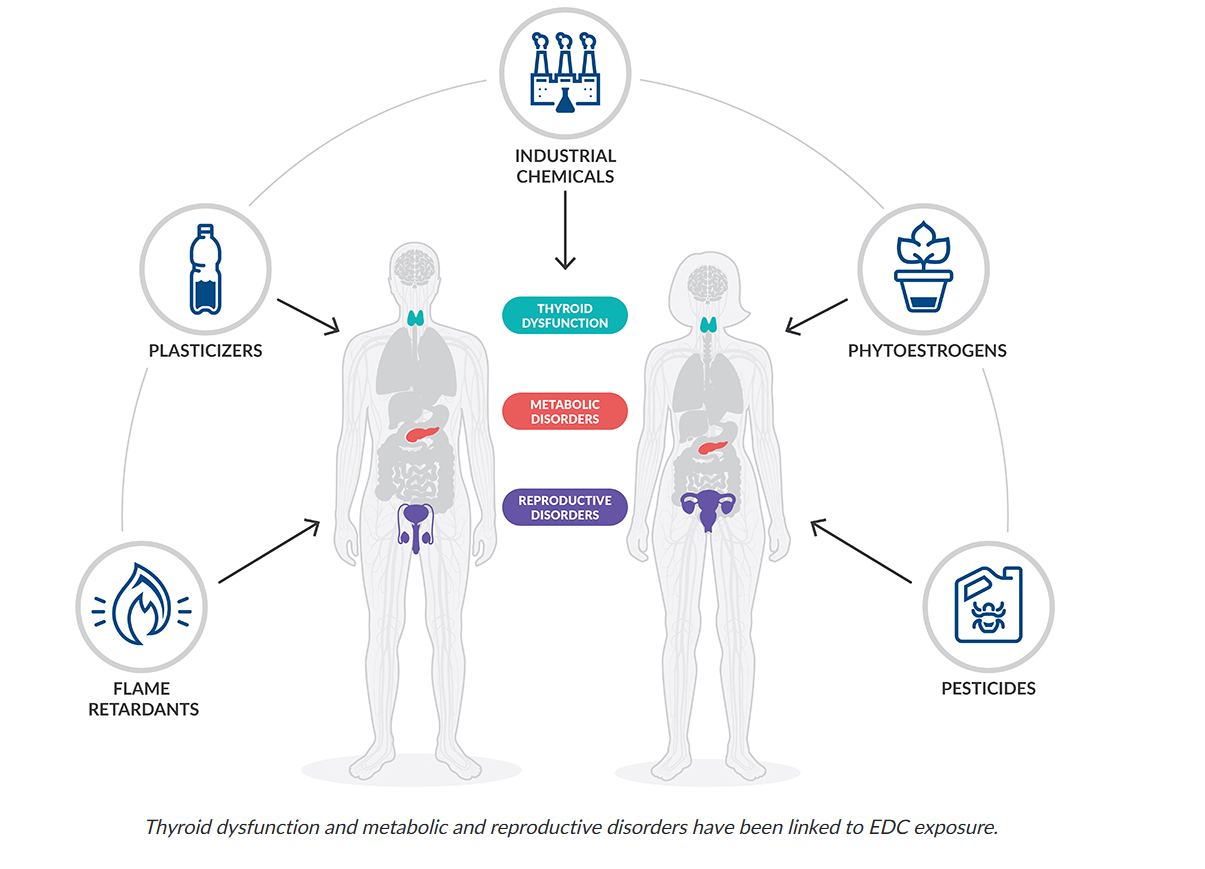
Plastics, once hailed for their utility, have now become a biological hazard. India, the world’s largest plastic waste generator, is at the epicentre of a growing public health crisis, caused by microplastics and endocrine-disrupting chemicals (EDCs) that infiltrate the human body.
Key Health Concerns:
-
Microplastics (particles <5 mm) detected in:
-
Blood (89% samples in India, 2024)
-
Lungs, heart, semen, breast milk, placenta, ovaries
-
Testicular tissue in Indian men has 3x more microplastics than in dogs.
-
-
Common EDCs in Plastics:
-
BPA, BPS – Found in bottles, containers, receipts.
-
Phthalates (DEHP, DBP) – Present in toys, cosmetics, IV tubes.
-
PFAS – Found in non-stick cookware and packaging.
-
-
Health Effects:
-
Hormonal disruption: Interference with estrogen, testosterone, thyroid hormones.
-
Reproductive dysfunction:
-
↓ Testosterone and sperm count
-
Abnormal sperm morphology
-
Compromised egg quality and menstrual irregularities
-
↑ Risk of miscarriage, PCOS, endometriosis
-
-
Cancer: Elevated risk of breast, uterine, prostate, testicular cancers.
-
Metabolic disorders: Obesity, diabetes, cardiovascular disease, thyroid dysfunction.
-
Plastic Waste in India:
-
Generates 9.3 million tonnes/year.
-
5.8 million tonnes incinerated (releasing toxins)
-
3.5 million tonnes pollute land, air, and water
-
-
Residents in cities like Mumbai inhale up to 2,012 microplastic particles/day.
-
Phthalates in drinking water in Delhi, Jabalpur, Chennai exceed EU safety limits.
-
Doctors in Nagpur report rise in early puberty, obesity, learning disorders in children.
Policy & Regulation Gaps:
-
Plastic Waste Management Rules (2016, 2022, 2024) exist but enforcement is weak.
-
Current laws don’t account for:
-
Low-dose, chronic exposure
-
Synergistic effects of EDCs
-
Vulnerability of pregnant women and children
-
Recommendations:
-
National biomonitoring of EDCs in blood, urine, breast milk.
-
Longitudinal studies on impacts on fertility, neurodevelopment, chronic illness.
-
Public education on:
-
Not microwaving in plastic.
-
Using alternatives (glass, steel, EDC-free).
-
Eating antioxidant-rich diets.
-
-
Policy measures:
-
Enforce plastic segregation and safe recycling.
-
Install microplastic filters in water plants.
-
Support biodegradable, non-toxic material development.
-