
FRAUD RISK INDICATOR (FRI)
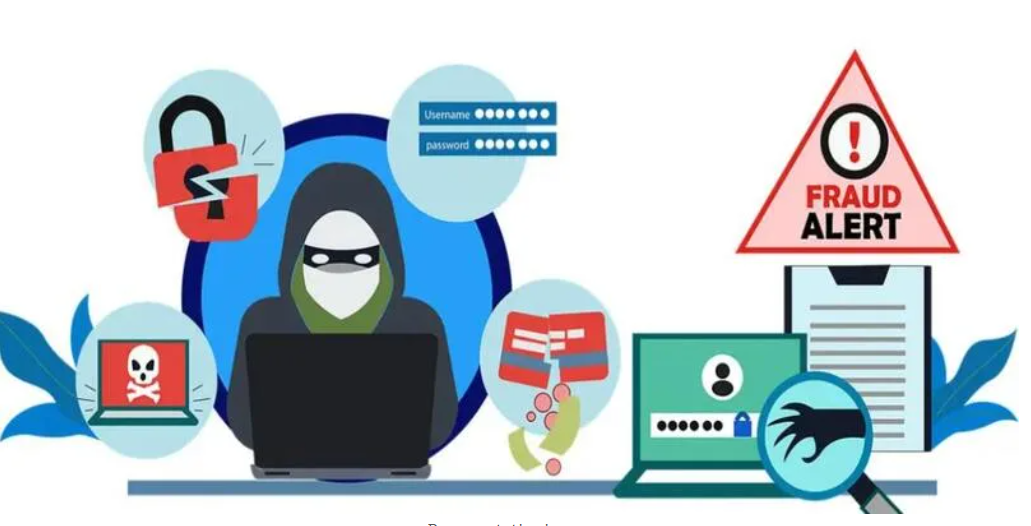
FRI: DoT’s New Digital Tool to Combat Financial Fraud
What is the Fraud Risk Indicator (FRI)?
-
A risk-based metric developed by the Department of Telecommunications (DoT) under the Digital Intelligence Unit (DIU) project.
-
FRI classifies mobile numbers based on financial fraud risk levels:
-
Medium Risk
-
High Risk
-
Very High Risk
-
Purpose and Significance
-
Helps prevent the misuse of telecom resources for financial fraud and cybercrime.
-
Enables stakeholders to take proactive customer protection actions.
Key Stakeholders Using FRI
-
Banks
-
Non-Banking Financial Companies (NBFCs)
-
Unified Payments Interface (UPI) service providers
-
Payment Service Operators (PSOs)
Accessed through the Digital Intelligence Platform (DIP).
Regulatory Support and Action
-
Reserve Bank of India (RBI) has issued advisories for:
-
Integration of FRI into banking and UPI systems.
-
Adoption of real-time response protocols, such as:
-
Alerts
-
Transaction delays
-
Transaction decline
-
Warnings and red flags
-
-
-
Launched by DoT to combat cyber fraud and financial crime via telecom networks.
Objective is to devise systems to curb misuse of telecom resources for cybercrime and financial frauds.
-
FRI and DIP are core components.
-
Budget: ₹228.16 crore
-
Duration: 5 years
Broader Implications
For Financial Institutions
-
Enables risk-based KYC enhancement.
-
Strengthens anti-fraud detection and response.
For Customers
-
Adds a layer of protection in real-time digital transactions.
-
Reduces the risk of falling prey to SIM swap scams, phishing, OTP frauds, etc.
For National Security
-
Strengthens India’s cybersecurity posture in the financial digital ecosystem.
-
Ensures inter-agency coordination via centralised fraud risk intelligence.
Challenges and Way Forward
-
Need for uniform adoption across all financial institutions, including smaller NBFCs and digital wallet providers.
-
Ensure privacy protection and transparency in how risk is calculated.
-
Strengthen real-time data sharing protocols across platforms.
-
Combine with AI-based fraud prediction tools and telecom-data analytics.