
Humayun’s Tomb
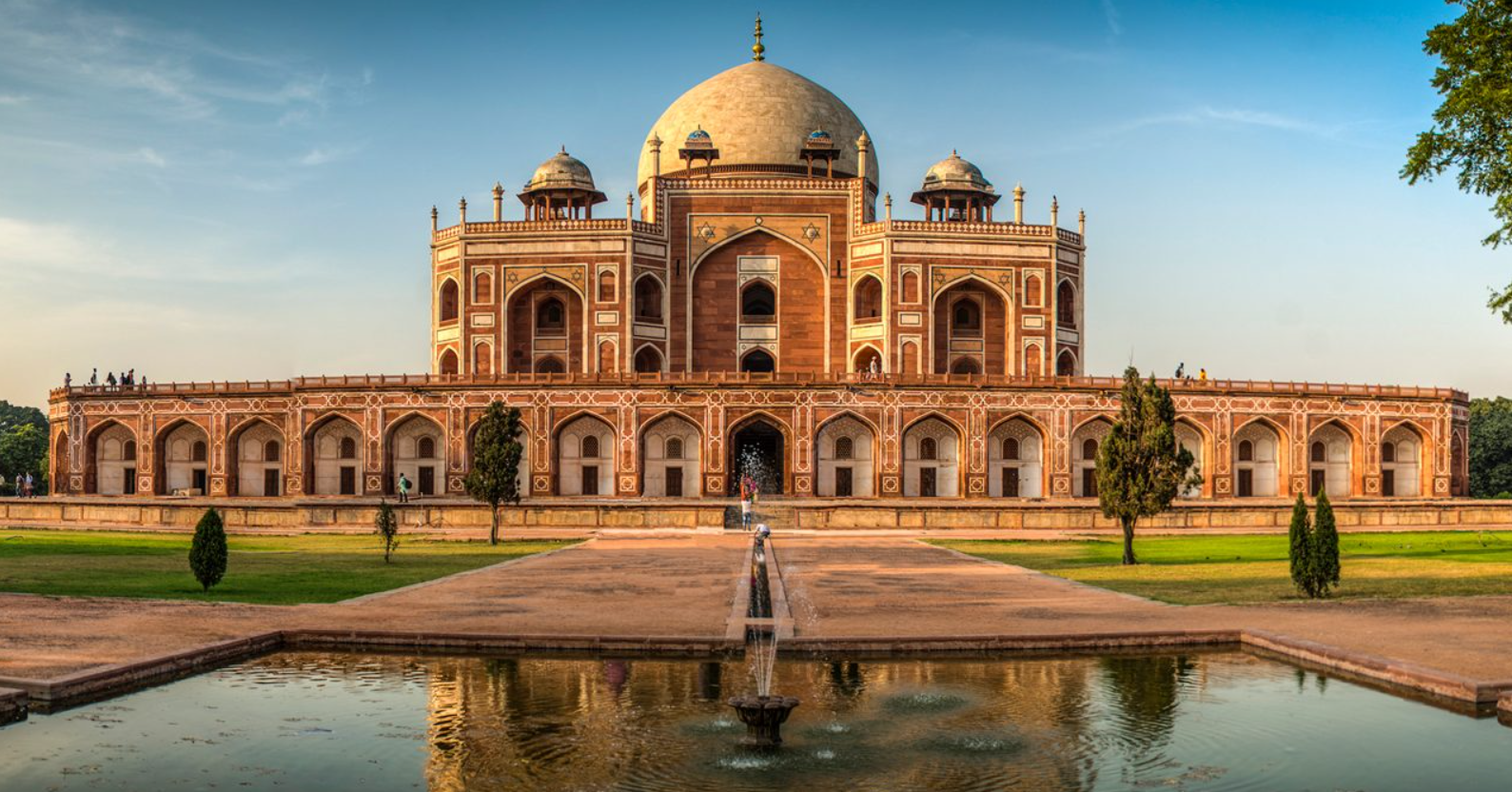
Context: Wall Collapse near Humayun’s Tomb
Heritage Angle
-
Humayun’s Tomb: UNESCO World Heritage Site, 16th century Mughal architecture.
Humayun’s Tomb (Maqbara-i Humayun)
-
Location: Nizamuddin East, Delhi, near Purana Qila (Dina-panah citadel).
-
Commissioned by: Empress Bega Begum (Haji Begum), Humayun’s first wife and chief consort, in 1558.
-
Architects: Mirak Mirza Ghiyas (also referred to as Mirak Ghiyathuddin) designer and his son Sayyid Muhammad, Persian architects brought specially for the project.
-
Completion: Around 1572, during Akbar’s reign.
Architectural Features
-
First Garden Tomb in the Indian subcontinent – based on Persian charbagh (four-quadrant garden) layout, symbolizing paradise.
-
Material: First grand structure to use red sandstone at such scale; marble used for inlay work.
-
Design elements:
-
High central dome (double dome, Persian style).
-
Arched alcoves, corridors, and high gateways.
-
Platform plinth with geometrical symmetry.
-
Blend of Persian, Central Asian, and Indian architectural styles (Indo-Islamic).
-
-
Served as a prototype for later Mughal tombs, especially the Taj Mahal.
Built in charbagh style (four-part garden symbolizing the Quranic paradise with flowing rivers).
-
Mausoleum on a high terraced plinth, with vaulted chambers and octagonal plan.
Known as the “Dormitory of the Mughals”—over 150 royal family members buried here.
-
Located near the dargah of Hazrat Nizamuddin Auliya, making it a spiritually significant burial ground.
Historical Importance
-
Established the Mughal funerary architectural tradition in India.
-
Reflects the Persian cultural influence brought by Humayun during his exile in Persia (1540–1555).
-
Tomb complex includes graves of Humayun, Bega Begum, Dara Shukoh, and other Mughal royals, making it a dynastic mausoleum.
-
Symbol of imperial legitimacy for Akbar, who completed it during the consolidation of Mughal rule.
UNESCO World Heritage Site (1993)
-
Recognized for its outstanding universal value as the earliest example of Mughal garden-tomb.
-
Extensive restoration by ASI and Aga Khan Trust for Culture completed in recent decades.