
India’s First Animal Stem Cell Biobank – NIAB, Hyderabad
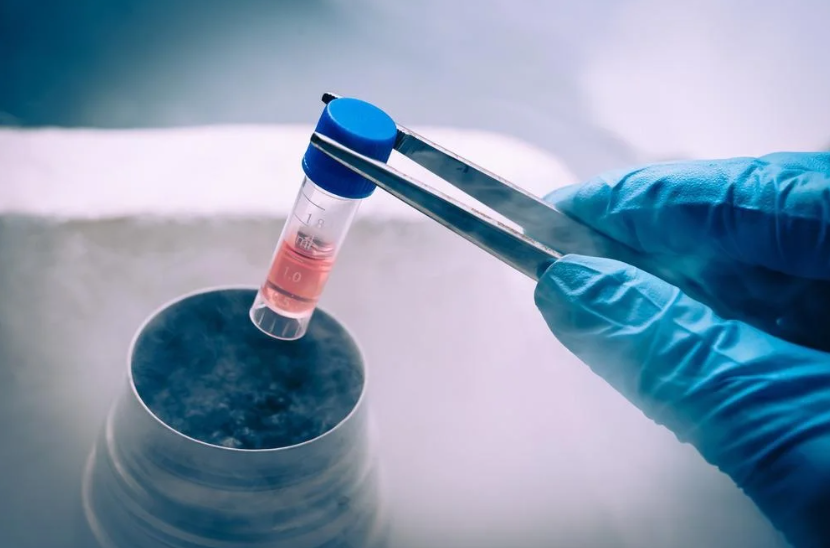
- Context: Inaugurated on 9 August 2025 by Dr. Jitendra Singh (Union MoS – Independent Charge, Science & Technology, etc.)
- Location: National Institute of Animal Biotechnology (NIAB), Hyderabad
- Supporting Agency: Department of Biotechnology (DBT) under Ministry of Science & Technology
- Associated Policy: Biotechnology BioE3 Policy (India as early initiator in emerging biotech)
Key Features of the Biobank & Laboratory
-
First-of-its-kind in India – dedicated to animal stem cells.
-
Focus Areas: Regenerative medicine, cellular therapies for livestock, reproductive biotechnology, disease modelling, and tissue engineering.
-
Built-up Area: 9,300 sq. ft.
-
Cost: ₹1.85 crore (initial phase).
-
Facilities:
-
Stem cell culture unit
-
3D bioprinter
-
Bacterial culture lab
-
Cryostorage facilities
-
Advanced air handling systems
-
Uninterrupted power backup
-
-
Future Plan: Expansion via National Biopharma Mission (NBM) of DBT–BIRAC for large-scale biobanking of animal stem cells and derivatives.
Five Veterinary Diagnostic Technologies Released
-
Rapid Detection of Brucellosis – Field-deployable, DIVA-capable kit for early, accurate Brucella detection.
-
Mastitis Detection Technology – On-site assay for subclinical/clinical mastitis in dairy cattle.
-
Antimicrobial Sensitivity Testing Device – Portable tool; results in 2 hours for responsible antibiotic use.
-
Toxoplasmosis Detection Kit – Sensitive & specific test for Toxoplasma gondii infection in animals.
-
Japanese Encephalitis Detection Kit – Rapid strip for large-scale animal & human surveillance.
Policy & Economic Significance
-
Supports:
-
“One Health” approach (integrating animal, human, environmental health)
-
Evergreen Revolution – productivity growth in animal husbandry
-
-
Impact:
-
Boosts livestock productivity
-
Reduces economic loss from animal diseases
-
Enhances agri-linked GDP (agriculture = 18% GDP; 60% workforce)
-
Every ₹1 spent on agricultural research yields ₹13 return
-
-
Funding Boost: Linked to ₹1 lakh crore RDI Fund under Anusandhan-National Research Foundation (ANRF) for private sector R&D.
Broader Vision
-
India already has human stem cell banks; now expanding to animal stem cells.
-
Potential future applications: space medicine, space physiology, biotechnological industrial revolution.
-
Part of DBT’s integration of plant–animal–human research ecosystem.
-
Farmer outreach to encourage adoption of modern diagnostics for brucellosis, mastitis, toxoplasmosis.