
India’s position on bioterrorism and the Biological Weapons Convention (BWC)
Context
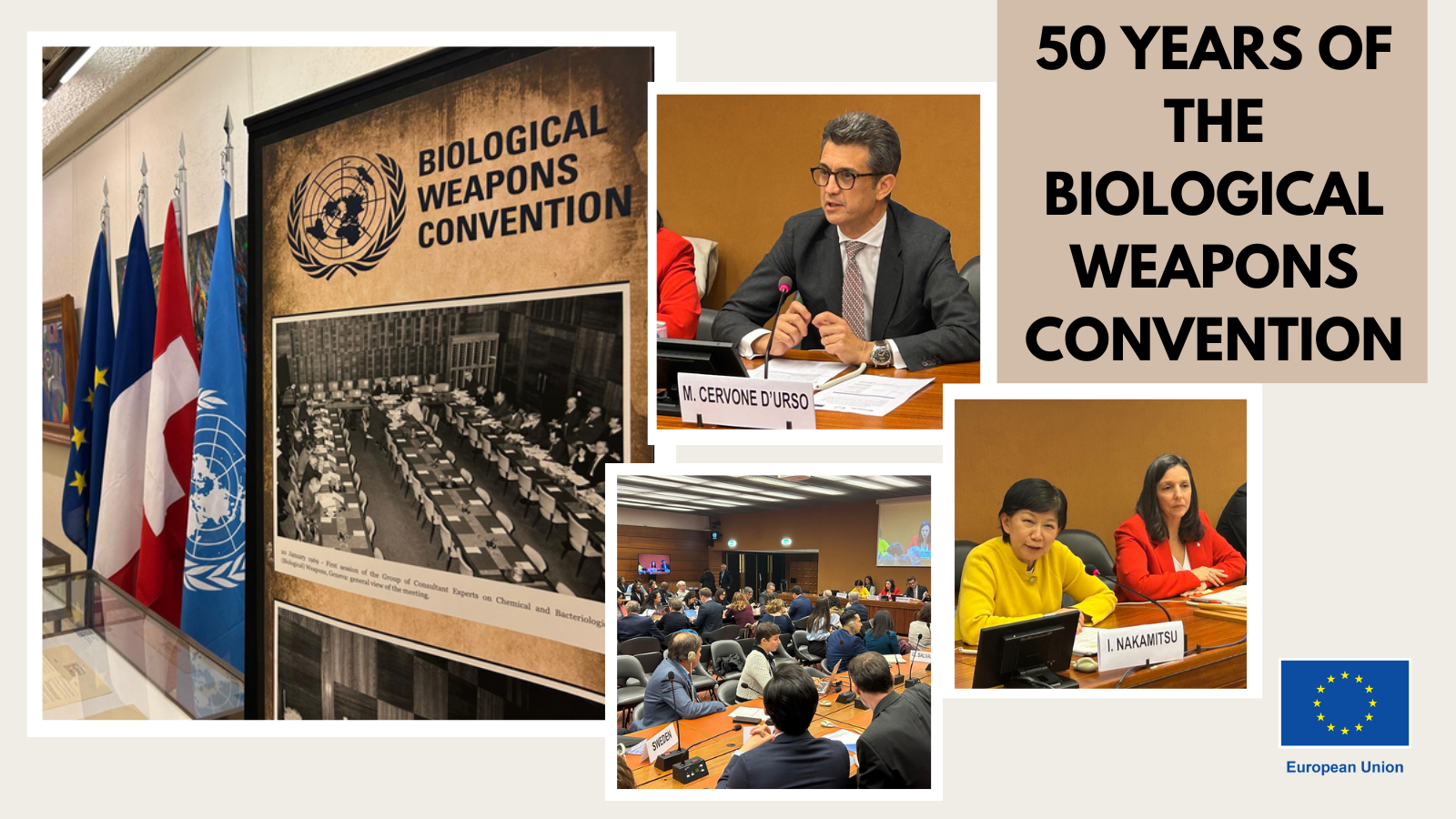
External Affairs Minister S. Jaishankar, at a conference marking 50 years of the Biological Weapons Convention (BWC), stated that the world is “not adequately prepared” to deal with bioterrorism.
Growing threat: Non-state actors can potentially use biological agents, making bioterrorism a major international security concern.
Gaps in the Biological Weapons Convention (BWC)
According to the Minister, the BWC lacks basic institutional structures, which reduces global preparedness.
Key deficiencies:
No compliance system
No permanent technical body
No mechanism to monitor new scientific developments
These issues undermine confidence and limit the BWC’s ability to respond to emerging biosecurity threats.
India has called for modernisation of the BWC to make it relevant in an era of rapidly advancing biotechnology.
India’s proposed National Implementation Framework
India has proposed a comprehensive domestic framework that includes:
Oversight of high-risk biological agents
Regulation of dual-use research (research that can be used for both legitimate and harmful purposes)
Domestic reporting mechanisms
Incident management systems
This aligns with India’s commitment to preventing the proliferation of sensitive biological goods and technologies.
India’s biosecurity posture
India emphasises:
Strong legal and regulatory systems
Non-proliferation of dual-use goods and technologies
Responsible oversight of emerging biological sciences
Biological Weapons and the Biological Weapons Convention (BWC)
What are biological weapons?
Biological weapons disseminate disease-causing organisms or toxins to harm or kill humans, animals or plants.
They may cause mass casualties, spread rapidly across borders, and create social, economic and environmental disruption.
They can be used for:
Strategic or tactical military purposes
Political assassinations
Infecting livestock or crops → food shortages and economic loss
Environmental damage
Causing widespread fear, mistrust and instability
Structure of a biological weapon
Weaponised agent
Can be any disease-causing organism:
bacteria, viruses, fungi, prions, rickettsiae, or toxins (naturally occurring or synthetic).Agents may be modified to improve stability, storage and dissemination.
Historical programmes aimed to produce: anthrax, botulinum toxin, smallpox, plague, ricin, Q fever, rice blast, foot-and-mouth disease, etc.
Delivery mechanism
Delivery systems include:
Missiles, bombs, rockets, grenades
Spray tanks mounted on aircraft, vehicles or boats
Covert devices for sabotage or assassination: sprays, brushes, injection tools
Techniques to contaminate food, water, clothing
Biological Weapons Convention (BWC)
The Biological Weapons Convention (BWC) prohibits the development, production, acquisition, transfer, stockpiling and use of biological and toxin weapons.
It is the first multilateral disarmament treaty banning an entire category of weapons of mass destruction (WMD).
Establishes a strong global norm against biological weapons.
BWC membership: 189 States Parties and 4 Signatory States (near-universal membership).
India Signed and ratified
It has 15 articles and has been elaborated through Review Conferences
Historical background
Formally titled:
“Convention on the Prohibition of the Development, Production and Stockpiling of Bacteriological (Biological) and Toxin Weapons and on their Destruction.”Negotiated in Geneva by the Conference of the Committee on Disarmament.
Opened for signature: 10 April 1972
Entered into force: 26 March 1975
Supplemented the 1925 Geneva Protocol, which prohibited only the use of biological weapons, but not their development or stockpiling.
A special event marked its 50th anniversary in 2025.
Prelims Practice MCQs
Q. The BWC supplements which earlier international instrument?
A. Treaty on the Non-Proliferation of Nuclear Weapons
B. Geneva Protocol of 1925
C. Chemical Weapons Convention
D. Outer Space Treaty
Correct answer: B
Explanation: The BWC supplements the 1925 Geneva Protocol, which banned only the use of biological weapons.
Q. Which of the following statements about the Biological Weapons Convention is correct?
A. It allows States to stockpile biological weapons for deterrence
B. It has 15 articles and has been elaborated through Review Conferences
C. It includes a strong verification regime
D. It prohibits only toxins, not biological agents
Correct answer: B
Explanation: The Convention consists of 15 articles and has been supplemented by additional understandings from Review Conferences. It has no verification regime.