
India set to launch free nationwide HPV vaccination for adolescent girls
Context
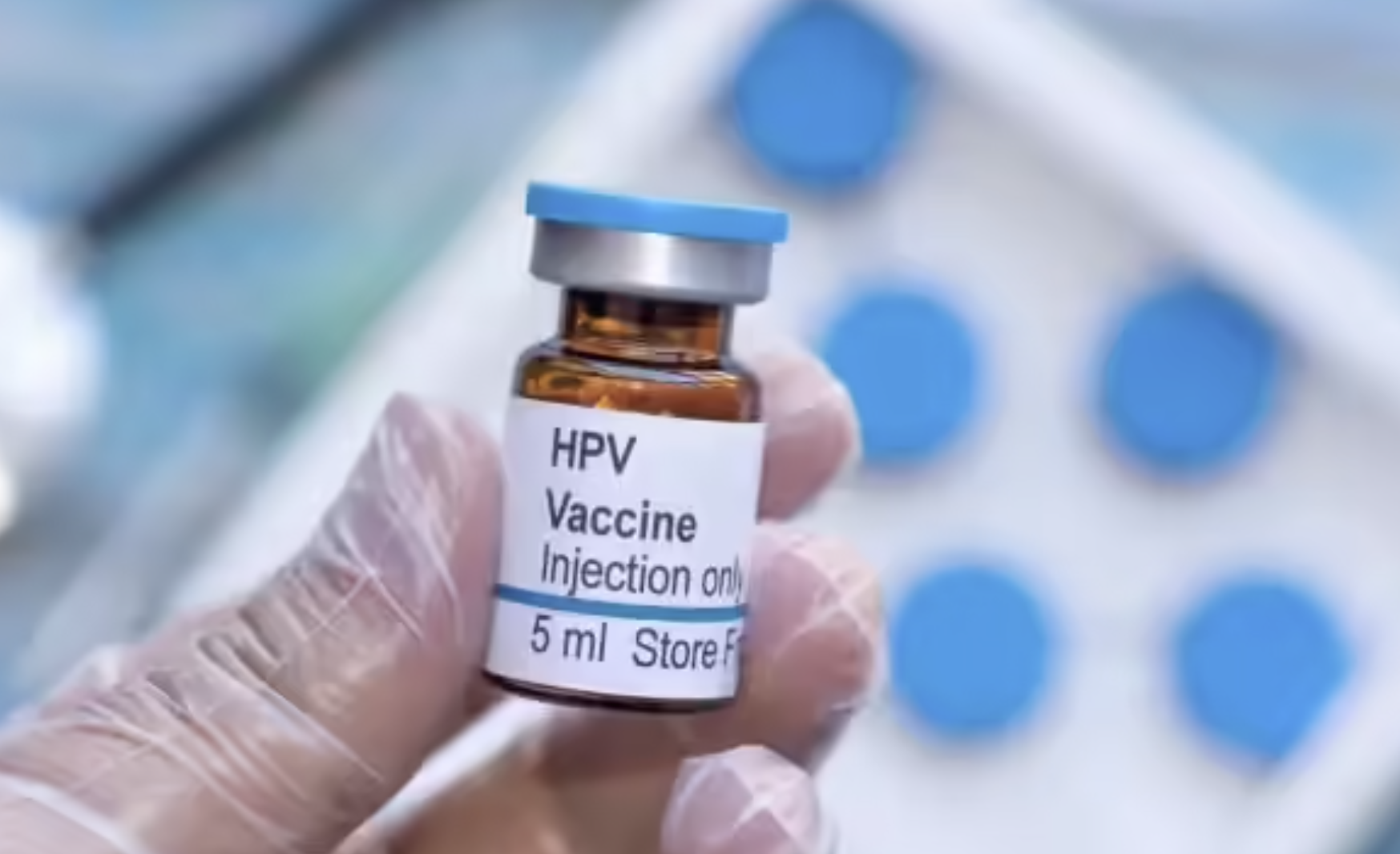
India is set to roll out a free, voluntary nationwide Human Papillomavirus (HPV) vaccination programme targeting 14-year-old girls, marking a major step in cervical cancer prevention.
Vaccine to be used: Gardasil (Quadrivalent)
India will use Gardasil, which protects against:
HPV types 16 and 18 – responsible for over 80% of cervical cancer cases in India
HPV types 6 and 11 – responsible for most cases of genital warts
The vaccine:
Is non-live (does not cause HPV infection)
Has a strong global safety record
Has seen over 500 million doses administered worldwide since 2006
Demonstrates 93–100% effectiveness against cervical cancer caused by vaccine-covered HPV types
India will follow a single-dose regimen, in line with global scientific evidence and WHO recommendations.
Why age 14?
Maximum preventive benefit when given before exposure to HPV
Strong and durable immune response in early adolescence
Improves compliance and coverage
Delivery mechanism
Vaccination will be conducted exclusively at designated government health facilities, including:
Ayushman Arogya Mandirs (PHCs)
Community Health Centres
Sub-District and District Hospitals
Government Medical Colleges
Each session will:
Be supervised by trained medical officers
Include post-vaccination observation
Be linked to 24×7 government facilities
Have systems for managing rare adverse events
This design aims to strengthen safety monitoring and parental confidence.
Procurement and global partnership
India has secured vaccine supplies through a transparent, globally supported mechanism under partnership with Gavi, the Vaccine Alliance.
Vaccines are approved by India’s drug regulator
Procurement follows stringent quality and cold chain standards
Free access across all States and Union Territories
Disease burden in India
Cervical cancer:
Second most common cancer among Indian women
Nearly 80,000 new cases annually
Over 42,000 deaths each year
Persistent infection with high-risk HPV (especially types 16 and 18) causes almost all cases.
Despite being preventable through vaccination and screening, screening coverage remains low, making vaccination a critical public health intervention.
Important clarification: Vaccine is not a substitute for screening
Even with vaccination:
Regular Pap smears and screening remain essential
Vaccine does not protect against all HPV types
Early detection improves survival
Thus, vaccination and screening must work together.
Policy grounding
India’s strategy is based on:
National disease burden data
Global best practices
Recommendations of the National Technical Advisory Group on Immunisation (NTAGI)
Prelims Practice MCQs
Q. With reference to Human Papillomavirus (HPV), consider the following statements:
Persistent infection with high-risk HPV types is responsible for almost all cases of cervical cancer.
HPV types 16 and 18 account for more than 80% of cervical cancer cases in India.
HPV infection can be caused by administration of the HPV vaccine.
Which of the statements given above is/are correct?
A. 1 and 2 only
B. 2 and 3 only
C. 1 only
D. 1, 2 and 3
Answer: A
Explanation:
Statement 1 is correct: Persistent infection with high-risk HPV causes almost all cervical cancer cases.
Statement 2 is correct: HPV 16 and 18 together account for over 80% of cervical cancer cases in India.
Statement 3 is incorrect: The HPV vaccine is non-live and does not cause HPV infection.
Q. With reference to the HPV vaccine being used in India’s national programme, consider the following statements:
India will use a quadrivalent vaccine.
The vaccine protects against HPV types 6, 11, 16 and 18.
The vaccine provides protection against all cancer-causing HPV types.
Which of the statements given above is/are correct?
A. 1 and 2 only
B. 2 and 3 only
C. 1 only
D. 1, 2 and 3
Answer: A
Explanation:
Statement 1 is correct: India will use the quadrivalent vaccine Gardasil.
Statement 2 is correct: It protects against HPV types 6, 11, 16 and 18.
Statement 3 is incorrect: It does not protect against all cancer-causing HPV types; hence screening remains important.
Q. Consider the following statements regarding cervical cancer in India:
It is the most common cancer among women in India.
It is largely preventable through vaccination and early screening.
India contributes a significant share of the cervical cancer burden in the WHO South-East Asia Region.
Which of the statements given above is/are correct?
A. 2 only
B. 2 and 3 only
C. 1 and 3 only
D. 1, 2 and 3
Answer: B
Explanation:
Statement 1 is incorrect: Cervical cancer is the second most common cancer among women in India.
Statement 2 is correct: It is largely preventable via HPV vaccination and screening.
Statement 3 is correct: India contributes a major share of the regional burden.