
Indian HPV vaccine (Cervavac) and single-dose study – Explained
What is the issue?
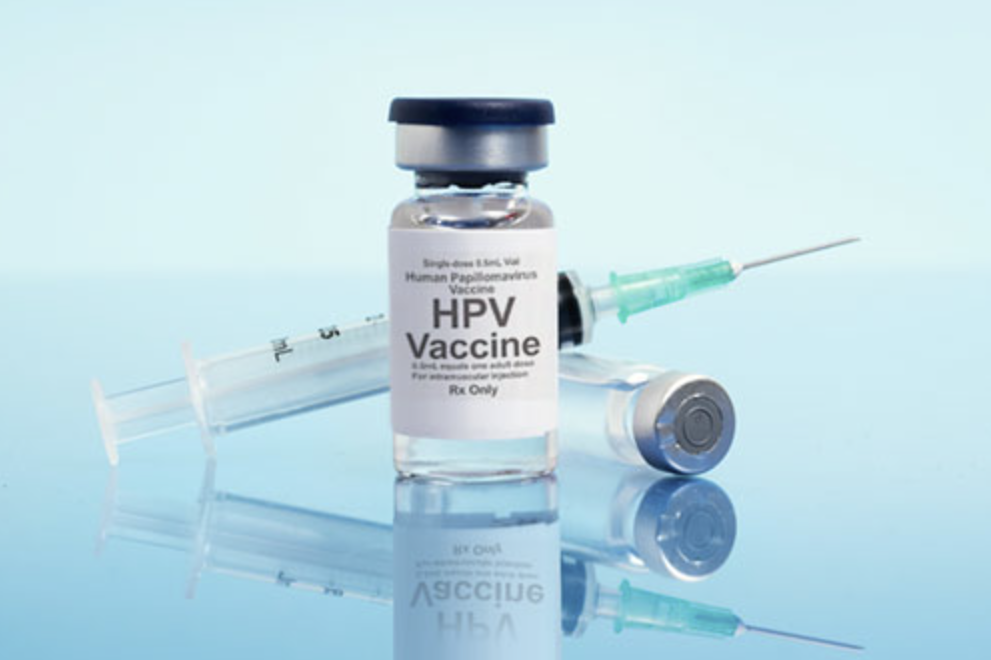
India is testing whether its indigenously developed HPV vaccine, Cervavac, can be used as a single-dose vaccine instead of the traditional two-dose schedule.
The Indian Council of Medical Research (ICMR) is conducting a study comparing the immune response of Cervavac with Gardasil.
The results are expected by 2027.
If the immune response is strong enough, Cervavac could be recommended as a single-dose vaccine in the Universal Immunisation Programme (UIP).
What is HPV?
HPV (Human Papillomavirus) is caused by a group of viruses spread mainly through direct skin-to-skin contact, most commonly during vaginal, anal, or oral sex, but also through non-sexual skin contact with an infected person or object, often entering through small skin breaks or cuts.
Major diseases caused by HPV:
Cervical cancer (most common)
Anal cancer
Oropharyngeal cancer
Genital warts
HPV vaccination is the primary preventive strategy for cervical cancer.
Vaccines involved
1. Cervavac (India)
India’s first indigenous quadrivalent HPV vaccine.
Developed by Serum Institute of India (SII) with support from the Department of Biotechnology (DBT) and BIRAC.
Launched in September 2022.
Targets four HPV strains (quadrivalent).
Designed to be low-cost and accessible.
2. Gardasil-4
Developed by Merck.
Available in India since 2009.
One of the most widely used HPV vaccines globally.
Currently used in India’s vaccination campaign.
Current vaccination campaign in India
India launched a campaign to vaccinate 1.15 crore girls aged 14 years.
The vaccine used currently is Gardasil-4.
Why Cervavac has not yet been included in UIP
Even though the government planned to include it:
The ICMR study is evaluating whether a single dose of Cervavac produces a stable immune response.
If proven effective, India could adopt a cheaper single-dose strategy, reducing costs and increasing coverage.
WHO change in dosage recommendation
Earlier WHO guideline:
Two doses for girls aged 9–15 years.
In March 2022, the WHO Strategic Advisory Group of Experts (SAGE) recommended:
Countries may use:
Single-dose schedule, or
Two-dose schedule
Reason:
Low global HPV vaccine coverage.
Goal of 90% vaccination coverage by 2030 to eliminate cervical cancer.
Importance for India
Cervical cancer is one of the leading cancers among Indian women.
A single-dose indigenous vaccine could:
Reduce vaccination cost
Improve access
Expand national immunisation coverage.
Prelims pointers
Cervavac: India’s indigenous quadrivalent HPV vaccine.
Developed by Serum Institute of India.
ICMR is testing whether single dose is sufficient.
WHO (2022) allowed single-dose HPV vaccination schedule.
HPV vaccines aim to prevent cervical cancer.
Prelims Practice MCQs
Q. Cervavac, recently seen in news, is related to:
A. Malaria prevention
B. Cervical cancer prevention
C. Tuberculosis treatment
D. HIV vaccine
Answer: B
Explanation:
Cervavac is an HPV vaccine used to prevent cervical cancer caused by Human Papillomavirus infection.
Q. Human Papillomavirus (HPV) infection is most strongly associated with which of the following cancers?
A. Lung cancer
B. Liver cancer
C. Cervical cancer
D. Skin cancer
Answer: C
Explanation:
HPV infection is the primary cause of cervical cancer, which is one of the most common cancers among women worldwide.