
Invasive mosquito species and India’s malaria elimination goal (2030)
Context
India aims to eliminate malaria by 2030, with an intermediate target of zero indigenous cases by 2027, aligned with the World Health Organization Global Malaria Strategy.
However, urban malaria driven by an invasive mosquito species has emerged as a new national challenge.
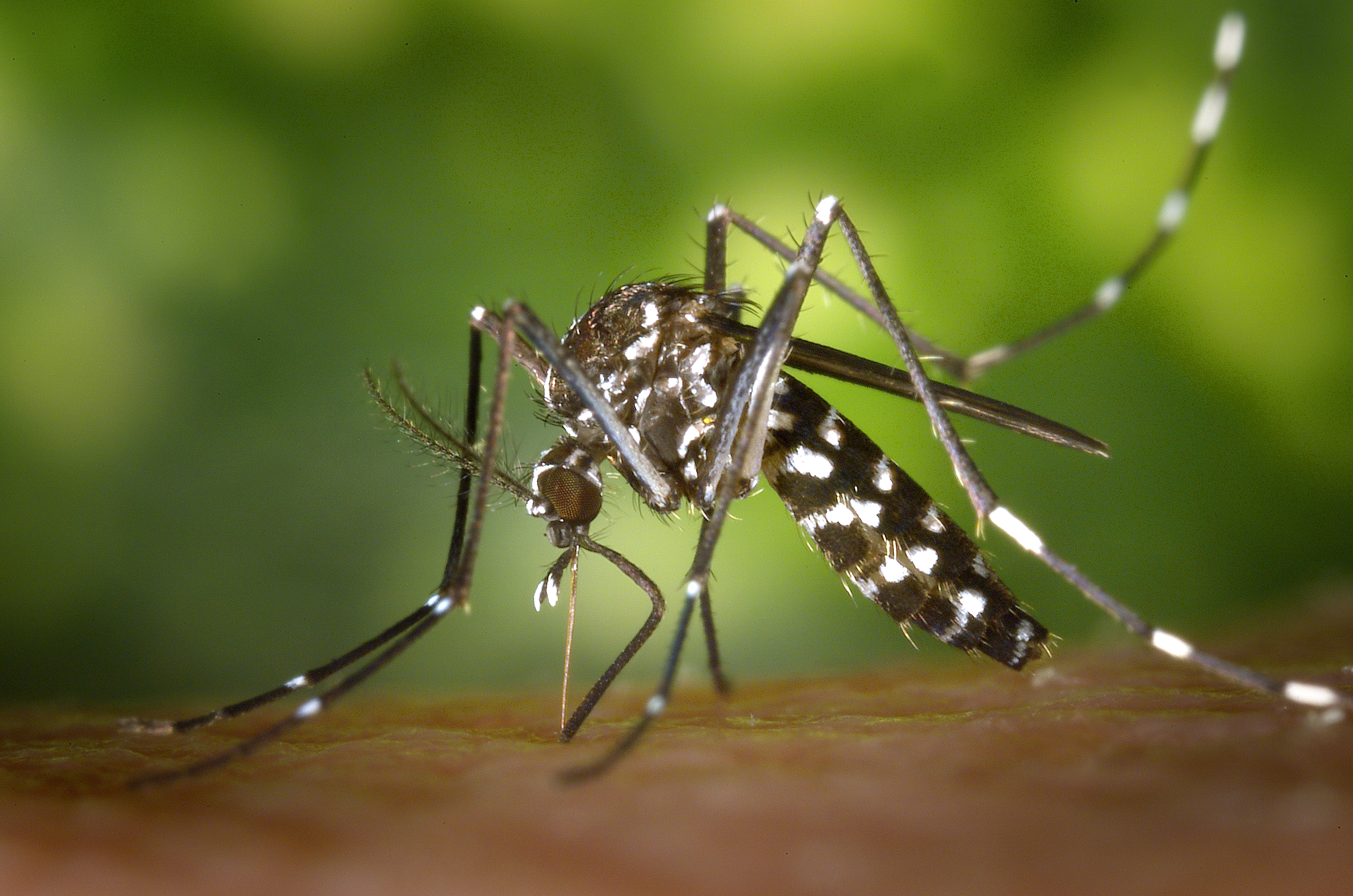
Key invasive vector: Anopheles stephensi
Originally a urban-adapted malaria vector
Now recognised as an invasive species
Breeds in artificial containers:
Overhead tanks
Tyres
Construction sites
Efficiently transmits:
Plasmodium falciparum
Plasmodium vivax
Major concern in metropolitan areas like Delhi
Why it is dangerous
Thrives in high population density
Difficult to control with traditional rural malaria strategies
Exploits fragmented urban health systems
Current malaria situation in India
Cases reduced sharply:
2015: 11.7 lakh
2024: ~2.27 lakh
Deaths reduced by 78%
India has entered the pre-elimination phase
Malaria is no longer widespread, but concentrated in pockets
High-burden and vulnerable regions
Persistent districts:
Odisha
Tripura
Mizoram
High-risk settings:
Tribal and forest areas
Border regions
Migrant and mobile populations
Cross-border transmission:
From Myanmar
From Bangladesh
Affecting Northeast India
Key drivers of residual transmission
Asymptomatic malaria infections
Difficult terrain and forest ecology
Human mobility and migration
Occupational exposure
Weak access to healthcare in remote areas
Urban challenges:
Informal settlements
Construction sites
Container breeding
Poor urban surveillance
Systemic challenges identified
Inconsistent reporting by private healthcare sector
Limited entomological capacity
Drug resistance and insecticide resistance
Operational gaps in tribal areas
Sporadic shortages of:
Diagnostics
Anti-malarial drugs
Priority actions highlighted in the report
Strengthen surveillance systems
Enhance vector monitoring
Improve supply-chain reliability
Develop city-specific vector control strategies
Expand operational research to accelerate elimination
Prelims Practice MCQs
Q. With reference to India’s malaria elimination targets, consider the following statements:
India aims to eliminate malaria completely by the year 2030.
India has set an intermediate target of zero indigenous malaria cases by 2027.
These targets are aligned with the global malaria strategy of the World Bank.
Which of the statements given above is/are correct?
A. 1 only
B. 1 and 2 only
C. 2 and 3 only
D. 1, 2 and 3
Correct answer: B
Explanation:
Statement 1: Correct (Elimination by 2030).
Statement 2: Correct (Zero indigenous cases by 2027).
Statement 3: Incorrect — alignment is with the World Health Organization, not the World Bank.
Q. Which of the following characteristics correctly describe Anopheles stephensi?
It is well adapted to urban environments.
It breeds primarily in natural water bodies such as rivers and ponds.
It can transmit both Plasmodium falciparum and Plasmodium vivax.
It is recognised as an invasive mosquito species.
Select the correct answer using the code below:
A. 1, 3 and 4 only
B. 1 and 2 only
C. 2, 3 and 4 only
D. 1, 2, 3 and 4
Correct answer: A
Explanation:
Breeds in artificial containers (tanks, tyres), not natural water bodies.
Transmits both major malaria parasites.
Its invasive and urban-adapted nature poses a new challenge.