
Kathakali
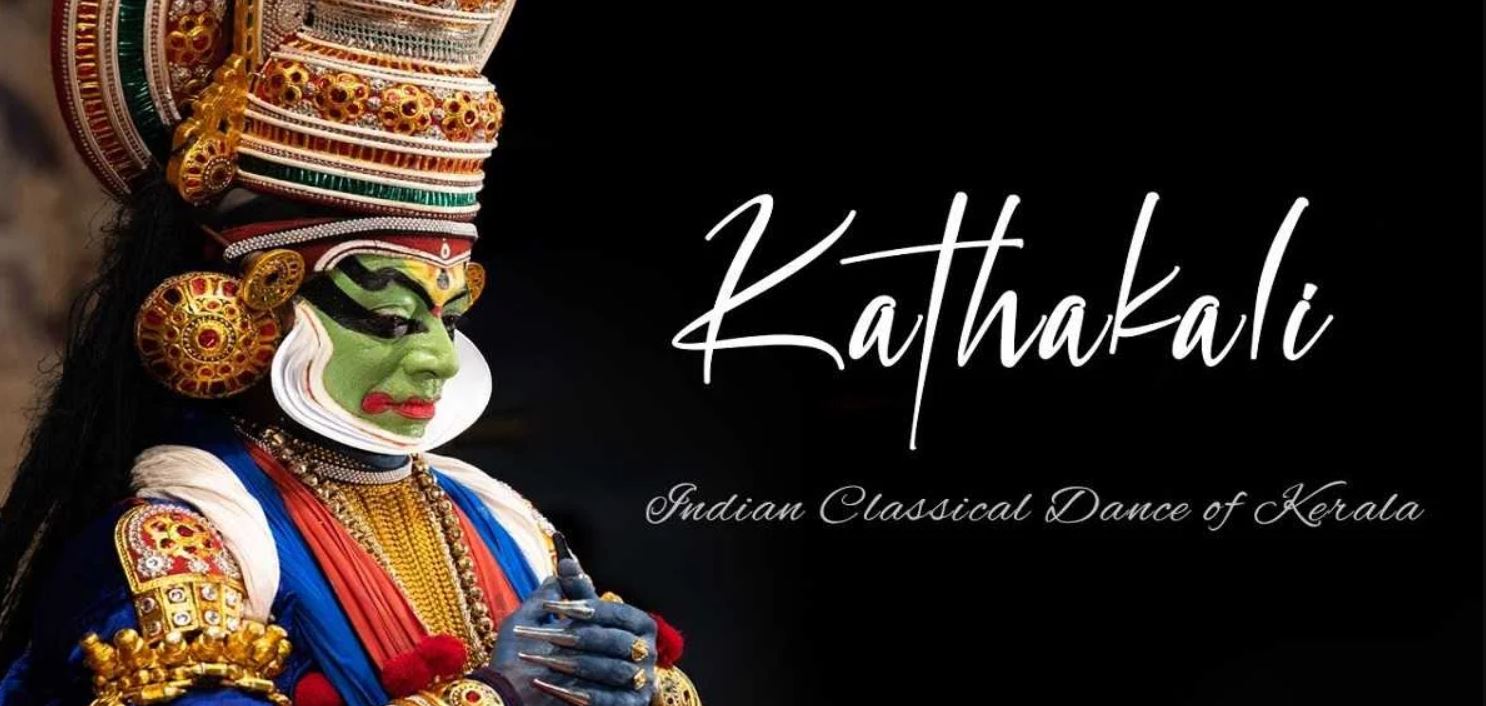
Context:
On September 30, 2025, Kerala Kalamandalam, Cheruthuruthy witnessed history when 16-year-old Sabri,became the first Muslim girl to perform Kathakali at the prestigious institution since its founding in 1930.
She performed in the Krishna vesham (role), marking her debut.
Key Facts
Institutional Milestone:
Kerala Kalamandalam (est. 1930 by poet Vallathol Narayana Menon) is the premier centre for Kerala’s classical arts.
It was only in 2020-21 that girls were officially allowed to perform Kathakali roles at Kalamandalam.
Historic First:
Sabri became the first Muslim girl to study and perform Kathakali in Kalamandalam’s 95-year history.
Cultural Significance:
Kathakali is traditionally male-dominated; even female roles were earlier performed by men.
Entry of girls (especially from minority communities) represents breaking gender and cultural barriers.
Kathakali – Kerala’s Classical Dance-Drama
Origin & History
Emergence: Developed in the 17th century CE in the Kingdom of Travancore (Kerala).
Roots: Based on Natya Shastra (by Bharata) but follows Hasthalakshana Deepika for hand gestures (mudras).
Performance context: Initially performed in temple precincts, later patronized by royal courts.
Language of performance: Songs composed in Manipravalam (blend of Malayalam & Sanskrit). The text is called Attakkatha.
Revival: In the early 20th century, Kathakali declined. Poet Vallathol Narayana Menon and Manakkulam Mukunda Raja founded Kerala Kalamandalam (1930) for its revival.
Predecessors:
Kutiyattam (ancient Sanskrit theatre, UNESCO-recognised).
Krishnanattam (dance-drama on Krishna’s life, created by Zamorin Manavedan Raja).
Ramanattam (by Kottarakkara Thampuran; Ramayana-based).
Later synthesised with folk arts, martial art Kalaripayattu, ritual forms (Mudiyettu, Theyyam, Padayani).
Patronage: Performed in temple festivals and courts → called Suvarna art form.
Nature of the Art Form
A unique blend of dance, music, mime, and drama.
Uses mudras (hand gestures), abhinaya (facial expressions/rasas), stylised movements, and elaborate costumes.
Themes: Derived mainly from Ramayana, Mahabharata, Bhagavata Purana, but modern adaptations include Shakespeare, social issues, contemporary themes.
Music & Instruments
Language: Manipravalam (Sanskrit + Malayalam blend).
Vocalists sing verses, set mood with ragas.
Major instruments:
Chenda (percussion, dramatic effect)
Maddalam (barrel drum)
Idakka (hourglass drum, soft tones, esp. for women’s roles)
Chengila (gong) and Elathalam (cymbals).
Acting & Dance
A synthesis of music, dance, mime, abhinaya (expressions).
Follows Natya Shastra and Hasthalakshana Deepika (hand gestures).
Mudras (24 major + minor) used for storytelling.
Navarasas (9 emotions): Śṛṅgāra (love), Hāsya (comic), Karuṇā (pathos), Raudra (anger), Vīra (heroism), Bhayānaka (fear), Bībhatsa (disgust), Adbhuta (wonder), Śānta (peace).
Movements influenced by martial arts (Kalaripayattu) → strong, athletic, acrobatic.
Make-up (Aharya Abhinaya)
Characters classified into five basic types (face painting = symbolic code):
Pacha (Green): Noble & heroic (gods, kings, sages).
Kathi (Knife): Villains/anti-heroes with streaks of valor.
Thadi (Beard):
Vella Thadi (white beard) → divine beings.
Chuvanna Thadi (red beard) → evil/demonic.
Karutha Thadi (black beard) → hunters/forest dwellers.
Kari (Black): Wicked/demonic (witches, grotesque figures).
Minukku (Radiant): Gentle & refined (women, sages, Brahmins).
Costumes: Heavy, colorful attire with ornaments & elaborate headgear.
Recent Developments
Inclusion of Women: Traditionally male-dominated; since 2020-21, institutions like Kerala Kalamandalam allow girls to perform (historic case of Sabri, 2025).
New Themes: Contemporary adaptations – Shakespeare, historical & social themes.
Modern Technology: Use of microphones, stage lighting, and improved acoustics has increased reach.
Cultural Identity: Symbol of Kerala’s heritage and India’s intangible cultural heritage (recognized by UNESCO in 2010 under “Representative List”).
Practice UPSC/State PSC Question
Prelims MCQ
Q. With reference to Kathakali, consider the following statements:
Kathakali originated as a dance-drama form in Kerala combining acting, dance, and music.
Traditionally, both male and female roles were performed only by women.
In 2020-21, Kerala Kalamandalam officially allowed girls to perform Kathakali roles.
Which of the above are correct?
A. 1 and 3 only
B. 2 and 3 only
C. 1 and 2 only
D. 1, 2 and 3
Answer: A (1 and 3 only; earlier it was only men performing).