
Khudiram Bose – A Revolutionary Patriot
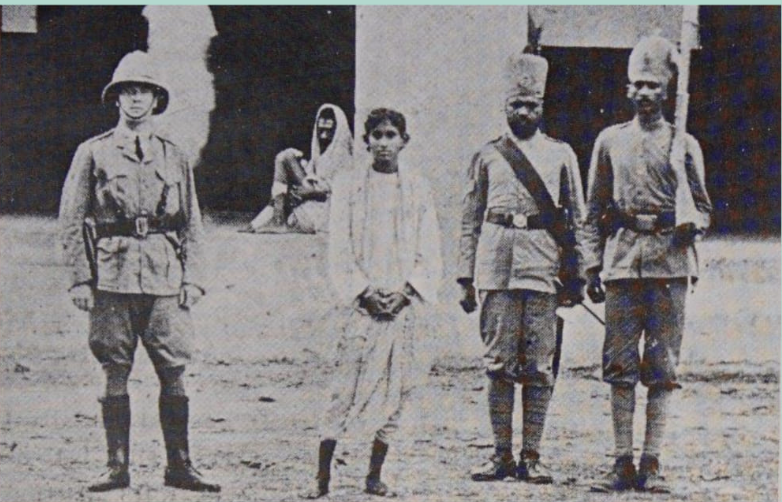
Born: 3 December 1889, Mohanpur village, Midnapore district, Bengal Presidency (now in West Bengal)
Orphaned at an early age; raised by his elder sister.
Deeply influenced by nationalist newspapers like "Bande Mataram" and the writings of Bankim Chandra Chatterjee, Aurobindo Ghosh, and Swami Vivekananda.
Joined the Anushilan Samiti, a revolutionary organization in Bengal that believed in militant nationalism.
At age 15, participated in anti-partition protests and distributed revolutionary pamphlets against British rule.
Became involved in bomb-making and secret meetings under the guidance of Barindra Kumar Ghosh and others.
The Muzaffarpur Conspiracy Case (1908)
Target: British Magistrate Kingsford, known for harsh judgments against revolutionaries.
Khudiram and Prafulla Chaki were assigned to assassinate him.
On 30 April 1908, they threw a bomb at a carriage believed to be carrying Kingsford.
Mistaken Identity: Killed two British women – Mrs. and Miss Kennedy.
Prafulla Chaki killed himself to avoid arrest.
Khudiram was captured on 1 May 1908 near Samastipur station with bomb-making materials and revolutionary literature.
Trial and Execution
Charged under Section 302 (IPC) for murder.
Trial lasted for about two months; he boldly took responsibility and refused mercy petitions.
Executed on 11 August 1908 at Muzaffarpur Jail, aged just 18 years and 8 months.
Became one of the youngest martyrs of India’s freedom movement.
Legacy
Inspired a generation of youth towards armed resistance against colonial rule.
Bal Gangadhar Tilak defended Khudiram in his newspaper 'Kesari', which led to his own sedition charges.
Khudiram Bose's last words: “Vande Mataram” – became a war cry for revolutionaries.
Numerous schools, roads, and institutions across India are named after him – including Khudiram Bose Central College (Kolkata) and Shaheed Khudiram Metro Station.