
National Minorities Commission
Why in news: The National Commission for Minorities (NCM) has been functioning without a Chairperson and members since April 2025, following the retirement of Iqbal Singh Lalpura. Since December 2024, all five key positions, including Chairperson, remain vacant, and no new appointments have been made.
Critics argue the Commission has largely been a symbolic body, often filled with politically affiliated individuals. Former Chairperson Tahir Mahmood described the NCM as a "showpiece" and a post-retirement haven for bureaucrats, adding that it had little real impact on improving conditions for minorities.
The National Commission for Minority Educational Institutions (NCMEI) is also affected. It currently has only one functioning member, Sahid Akhtar, after the retirement of Chairperson Justice Narender Kumar Jain (retd) in September 2023. NCMEI requires three members and a Chairperson of retired High Court judge rank.
National Commission for Minorities (NCM)
Establishment and Legal Basis:
-
Constituted: 1992 under the National Commission for Minorities Act, 1992
-
Status: Statutory body
-
Ministry: Operates under the Ministry of Minority Affairs
Composition:
-
Total Members: 7 (including the Chairperson and Vice-Chairperson)
-
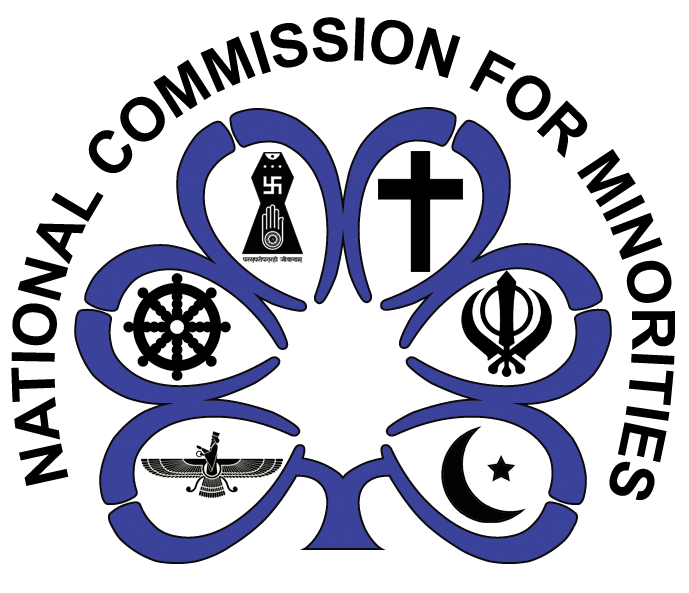
Mandatory Representation: One member each from six notified minority communities:
-
Muslims
-
Christians
-
Sikhs
-
Buddhists
-
Parsis
-
Jains (added in 2014)
-
Headquarters: New Delhi
Functions and Powers:
-
Safeguards minority rights as per the Constitution and laws enacted by Parliament.
-
Monitors implementation of policies and schemes for minorities.
-
Investigates complaints regarding deprivation of rights and safeguards.
-
Recommends measures for effective implementation of constitutional safeguards.
-
Reports annually to the President on the status of minority rights.
-
Has quasi-judicial powers similar to a civil court (summoning, examining witnesses, etc.)