
Port Inefficiencies and India's Agri-Export Competitiveness
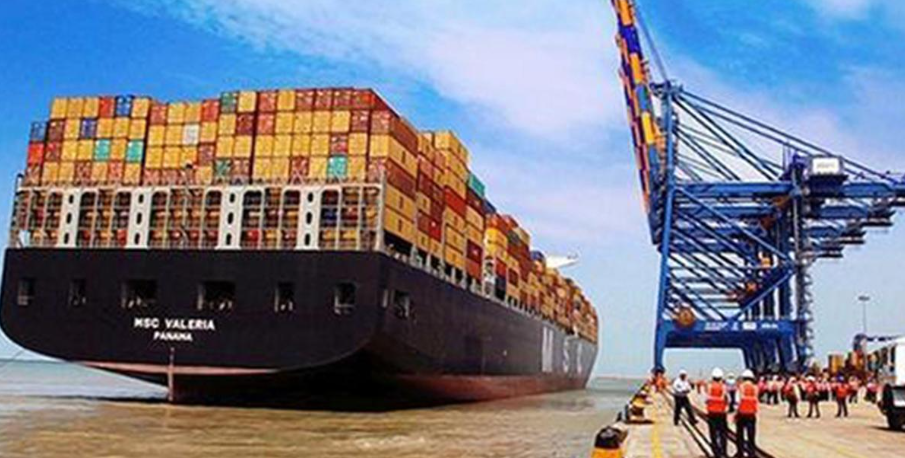
India’s Agri-Exports: Current Landscape
India exports a wide basket: fruits, vegetables, spices, cereals, processed foods, meat, marine products.
Key destinations: Asia, Europe, West Asia, North America.
Logistics pattern:
80%+ agri-exports move through ports.
Only 10–20% go as air cargo.
Core Issue: Port-Related Inefficiencies
These inefficiencies act as a “hidden export tax” and hurt farmers, processors and allied sectors.
1. Cargo Contamination
Outdated handling practices.
Inadequate fumigation.
Weak quality control.
Result: Damages India's reputation in quality-sensitive markets.
2. Delays & Lack of Agri-Focused Infrastructure
Prolonged berthing delays.
No dedicated agri-berths.
Spoilage risk for perishables, especially horticultural produce.
3. Warehousing Deficit
Storage often located 15+ km away from ports → higher first-mile costs.
Inadequate cold-chain facilities.
High warehouse rentals, uncompetitive for agri-exporters.
4. Higher Port Handling Charges
Example: Visakhapatnam charges higher than Kakinada and Gangavaram.
Shortage of labour and surveyors causes operational delays, demurrage.
Untapped Advantage of Indian Ports
Ports like Visakhapatnam and JSW have geographical proximity to major agricultural belts:
Andhra Pradesh
Maharashtra
Karnataka
Tamil Nadu
These regions produce rice, banana, onion, spices, grapes, mango, marine products, processed foods.
India’s import needs like raw cashew, pulses, edible oils, cocoa, natural rubber also demand efficient two-way handling.
Need for Modernisation
To support India’s $5 trillion economy goal, ports must become:
Efficient
Technology-enabled
Future-ready
Integrated with hinterland connectivity
Reform Agenda: Transforming Ports into Global Agri-Trade Gateways
1. Infrastructure Modernisation
Pre-cooling units.
Irradiation facilities.
Hot-water treatment plants.
Temperature-controlled storage.
Impact: Reduces post-harvest losses by 30–40%.
2. Strengthening Cold-Chain Networks
Encourages smooth handling of perishables.
Reduces spoilage and delays.
3. Leveraging Government Schemes
APEDA infrastructure grants.
National Horticulture Board support.
PM Kisan Sampada Yojana for processing and storage infrastructure.
4. Single-Window Operations within Ports
Agencies that must operate within the port premises:
Plant Quarantine
FSSAI
National Plant Protection Organisation (NPPO)
Customs
This reduces procedural delays and improves export efficiency.
Prelims Practice MCQs
Q. Consider the following statements regarding India’s agricultural exports:
More than 80% of India’s agricultural exports move through seaports.
Fruits and vegetables constitute the largest share of India’s air-cargo-based agricultural exports.
India exports agricultural products mainly to Europe, Latin America and Oceania.
Which of the statements given above is/are correct?
A. 1 only
B. 1 and 2 only
C. 2 and 3 only
D. 1, 2 and 3
Correct Answer: B
Explanation:
Statement 1 is correct: 80%+ of agri-exports use ports.
Statement 2 is correct: Perishables like fruits, vegetables often dominate air cargo.
Statement 3 is incorrect: Major markets are Asia, Europe, West Asia, North America.
Q. The phrase “hidden export tax” in the context of India’s agri-export sector refers to:
A. High GST rates on agricultural commodities
B. Losses and costs due to port-related inefficiencies
C. Mandatory certification fees for export
D. International tariffs imposed on Indian exports
Correct Answer: B
Explanation:
The text describes inefficiencies such as delays, spoilage, contamination, and high handling charges as a hidden export tax because they indirectly increase export costs.