
RBI Board approves risk-based deposit insurance framework
Context
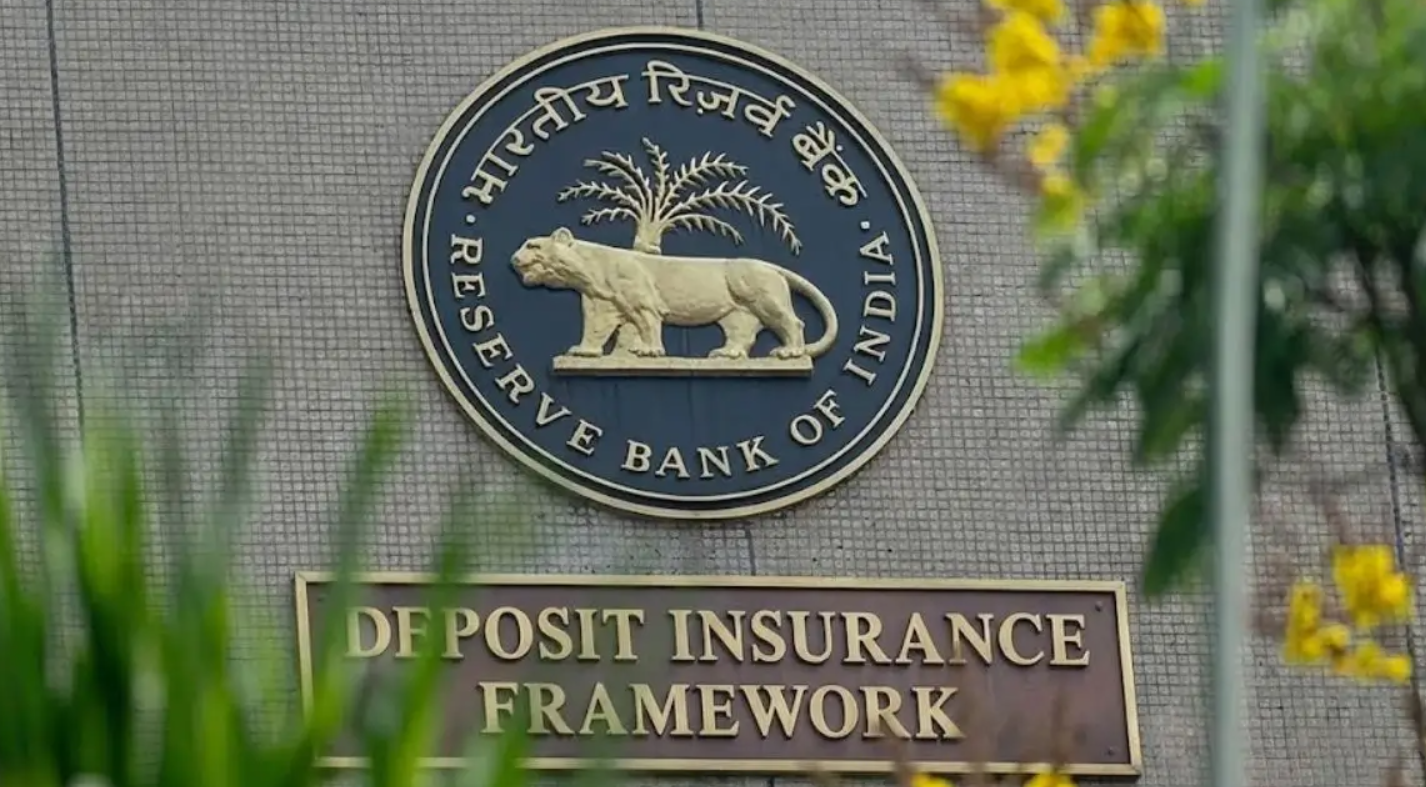
The Central Board of Directors of the Reserve Bank of India (RBI) has approved a risk-based deposit insurance framework for banks. The decision was taken at the Board meeting held in Hyderabad.
This approval follows the RBI’s October proposal to shift from the existing flat-rate premium system to a risk-based premium model.
Why this change matters
Under the current system, all banks pay the same deposit insurance premium, irrespective of their financial strength.
The new framework differentiates banks based on their risk profile.
Financially stronger and well-managed banks are expected to pay lower premiums, while riskier banks will pay more.
This creates incentives for better risk management and financial discipline in the banking system.
What is a risk-based premium?
A risk-based premium means that the insurance fee paid by a bank depends on how risky the bank is.
If a bank is stable, has good capital, low bad loans, and strong governance, it is seen as low risk → it pays less insurance premium.
If a bank has weak finances, high NPAs, or poor risk controls, it is seen as high risk → it pays a higher premium.
Significance
Encourages safer banking practices
Reduces cross-subsidisation by strong banks
Strengthens financial stability and depositor protection
Prelims Practice MCQs
Q. Under the newly approved framework, how will deposit insurance premiums be determined?
A. Based on size of deposits only
B. Based on profitability of banks
C. Based on government ownership
D. Based on the risk profile of banks
Correct answer: D
Explanation:
The risk-based premium model links the insurance premium to the riskiness of the bank, such as asset quality, capital adequacy, and governance standards.
Q. Which of the following banks is likely to pay a lower deposit insurance premium under the new system?
A. A bank with high NPAs and weak capital
B. A bank with frequent regulatory violations
C. A financially stable bank with low NPAs
D. A newly established bank with no track record
Correct answer: C
Explanation:
Banks that are financially strong, with low non-performing assets, good capital buffers, and sound governance, are classified as low-risk and therefore pay lower premiums.
Q. The risk-based deposit insurance framework is expected to have which of the following systemic impacts?
Incentivising prudent banking behaviour
Reducing cross-subsidisation by strong banks
Strengthening depositor confidence
Select the correct answer:
A. 1 and 2 only
B. 2 and 3 only
C. 1 and 3 only
D. 1, 2 and 3
Correct answer: D
Explanation:
The reform:
Encourages better risk management
Prevents strong banks from subsidising weak ones
Enhances financial stability and depositor protection