
Sejjil Missile / Dancing Missile
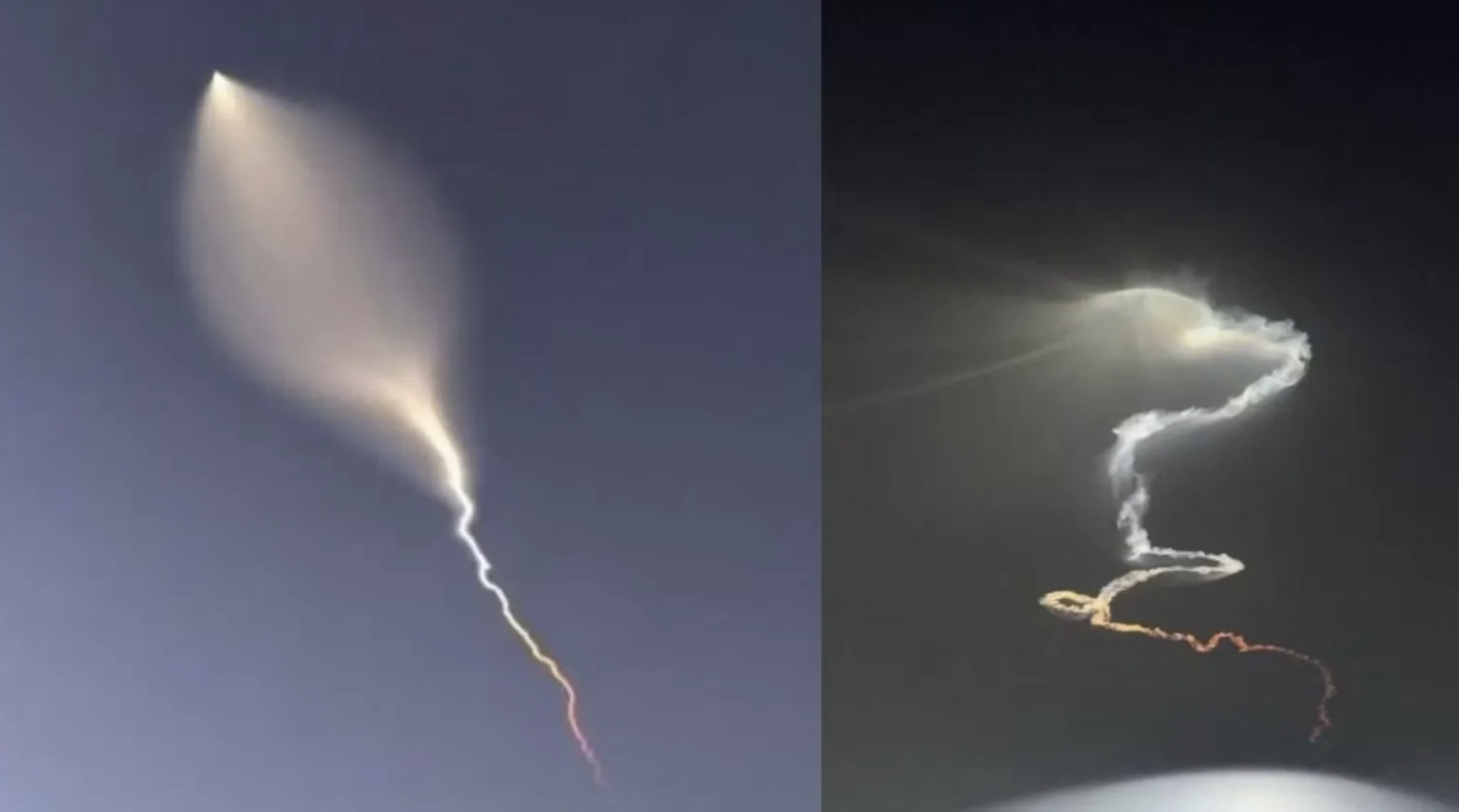
The Sejjil missile is one of Iran’s most advanced medium-range ballistic missiles (MRBM), recently reported in use during Middle East tensions.
Key features
1. Type and structure
A two-stage, solid-fuel ballistic missile
Classified as a Medium-Range Ballistic Missile (MRBM)
2. Range and payload
Range: ~2,000 km
Payload capacity: ~700 kg
Capable of carrying:
Conventional warheads
Potentially nuclear payloads (strategic capability)
3. Solid-fuel advantage
Unlike older liquid-fuel missiles (e.g., Shahab series):
Faster launch readiness
Easier storage and mobility
Reduced vulnerability to pre-emptive strikes
4. Advanced manoeuvrability
Nicknamed “dancing missile”
Can perform high-altitude manoeuvres
Designed to evade missile defence systems
5. Alternate names
Also referred to as:
Sajjil
Ashoura / Ashura
Prelims Practice MCQs
Q. With reference to the Sejjil missile, consider the following statements:
It is a two-stage solid-fuel ballistic missile.
It is classified as an intercontinental ballistic missile (ICBM).
It has an approximate range of about 2,000 km.
Which of the statements given above is/are correct?
(a) 1 and 3 only
(b) 2 only
(c) 1, 2 and 3
(d) 1 only
Answer: (a) 1 and 3 only
Explanation:
Statement 1: Correct (two-stage, solid-fuel).
Statement 2: Incorrect (it is an MRBM, not ICBM).
Statement 3: Correct (~2000 km range).
Q. Which of the following is the primary advantage of solid-fuel ballistic missiles over liquid-fuel missiles?
(a) Higher payload capacity
(b) Ability to travel at hypersonic speeds
(c) Faster launch readiness and reduced preparation time
(d) Greater accuracy due to GPS guidance
Answer: (c) Faster launch readiness and reduced preparation time
Explanation:
Solid fuel missiles can be stored and launched quickly, unlike liquid fuel which requires pre-launch fueling.