
Suriname’s 90% Forest Protection Pledge
Background
Country context:
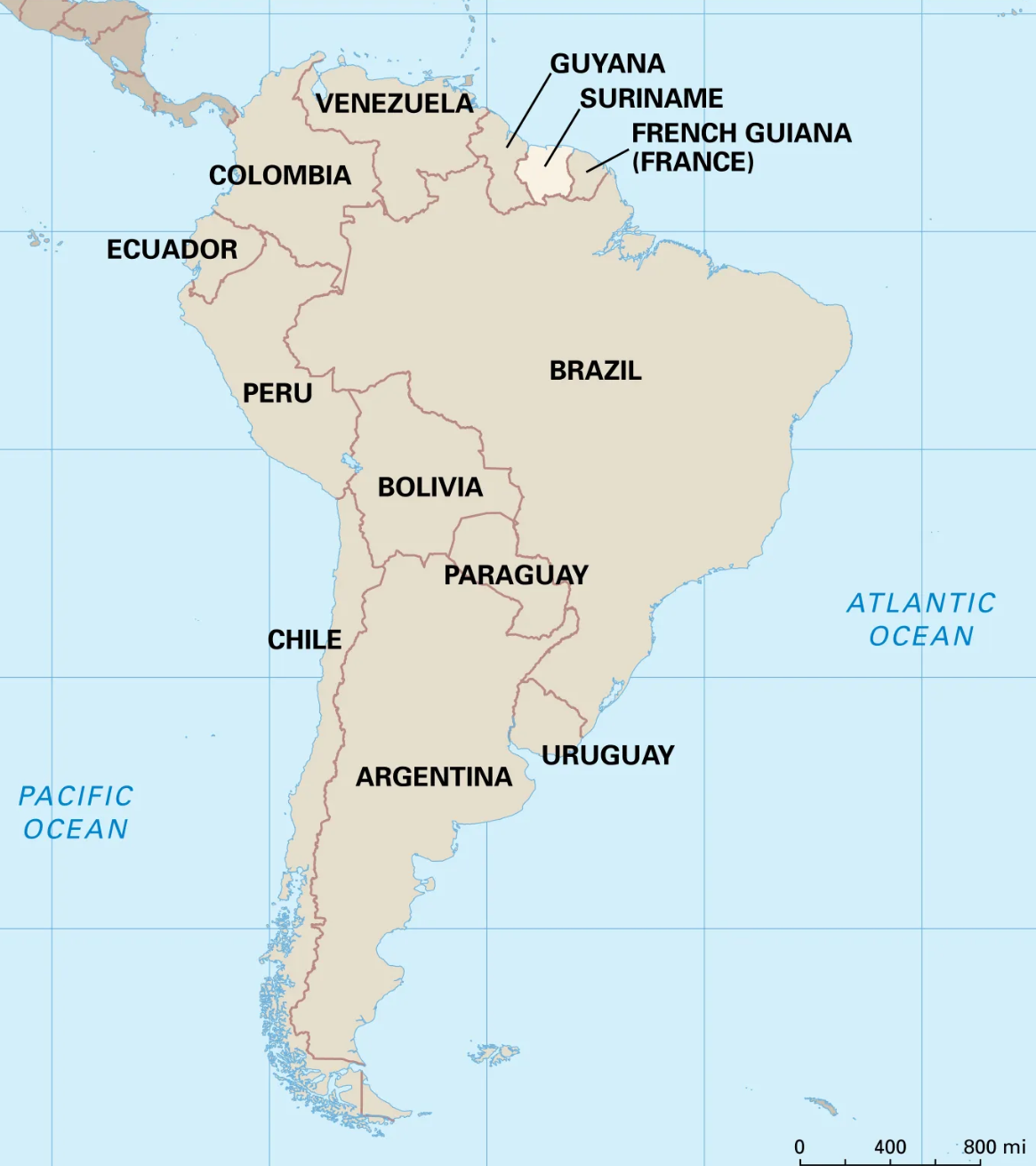
Suriname, a small Amazonian nation in South America.
93% of land already forested.
One of only 3 carbon-negative countries (absorbs more CO₂ than it emits).
Bhutan, Suriname, and Panama are the three carbon-negative countries in the world, meaning they absorb more greenhouse gases than they emit, largely due to extensive forest cover and sustainable practices like hydropower.
These nations formed an alliance to promote and maintain their carbon-negative status, setting a goal for others to achieve net-zero emissions
Features of the Pledge
Protection Target: Permanent protection of 90% of tropical forests (~15 million hectares).
Beyond Global Target: Surpasses the UN’s 30×30 goal (30% of land & oceans protected by 2030).
Timeline: Updated conservation laws by end of 2025.
Policy and Legal Dimensions
Strengthening conservation laws to provide stronger protections.
Possible recognition of Indigenous and Maroon ancestral lands (long-standing demand).
Promotion of ecotourism and participation in the carbon credit market.
Backed by $20 million donor coalition for financing and local jobs.
Ecological Importance
Biodiversity Hotspot:
Home to jaguars, giant river otters, tapirs.
700+ bird species.
Blue poison dart frog.
Vital for Amazon ecosystem health and global climate stability.
Challenges & Criticism
Land Rights Issues:
Suriname = only Western Hemisphere country without legal recognition of Indigenous & tribal land rights.
International court rulings exist, but government has not implemented them.
Threats: Illegal mining, logging, and roadbuilding.
Implementation Gap: Without recognition of local rights, forest protection risks being top-down.