
UN Security Council Votes Against Lifting Iran ‘Snapback’ Sanctions
Context:
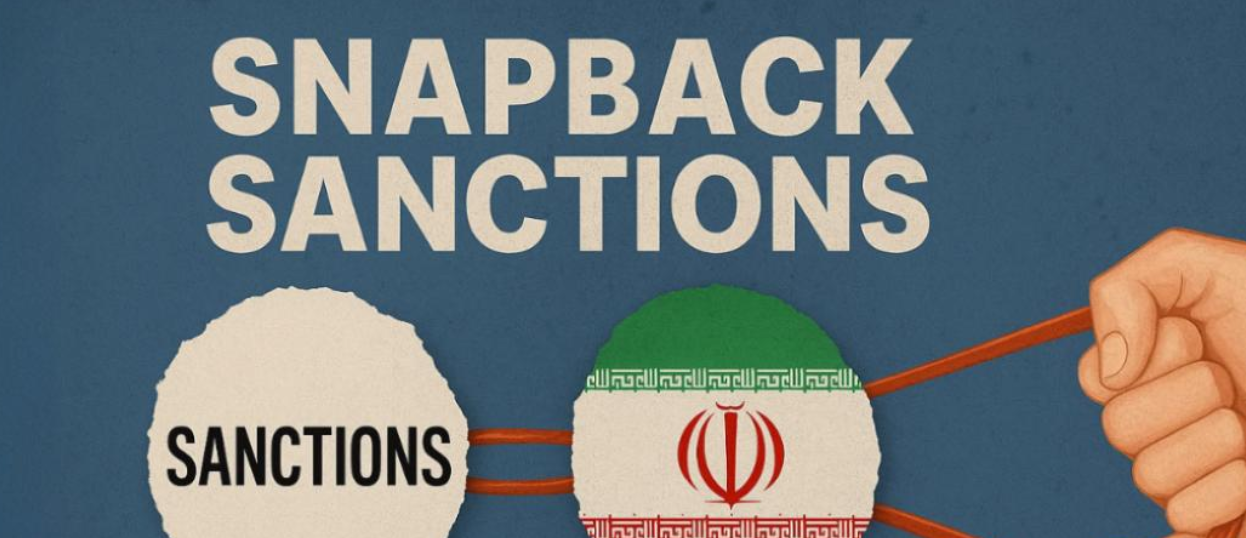
The UN Security Council (UNSC) resolution to prevent the reimposition (“snapback”) of sanctions on Iran over its nuclear programme failed on Friday.
The vote followed weeks of intense diplomatic negotiations that collapsed just ahead of the annual UN General Assembly session.
Iran’s envoy to the UN, Amir Saeid Iravani, denounced the decision as “unlawful,” reflecting Tehran’s long-standing stance that the snapback mechanism is illegitimate.
Background
The “snapback sanctions” mechanism stems from UNSCR 2231 (2015), which endorsed the Joint Comprehensive Plan of Action (JCPOA). It allows for the automatic reimposition of pre-2015 sanctions if Iran is deemed non-compliant with nuclear restrictions.
The US unilaterally withdrew from the JCPOA in 2018, but divisions persist among UNSC members on whether Washington retains the right to trigger snapback.
Implications
The failed resolution signals deep rifts within the UNSC, especially among the P5+1 members (US, UK, France, Russia, China + Germany).
It adds pressure on ongoing nuclear diplomacy and raises concerns about Iran’s nuclear advances, regional security, and the future of JCPOA.
The move comes ahead of the UNGA session, where Iran and Western powers are expected to lock horns diplomatically.