
Vitamin D Deficiency in India
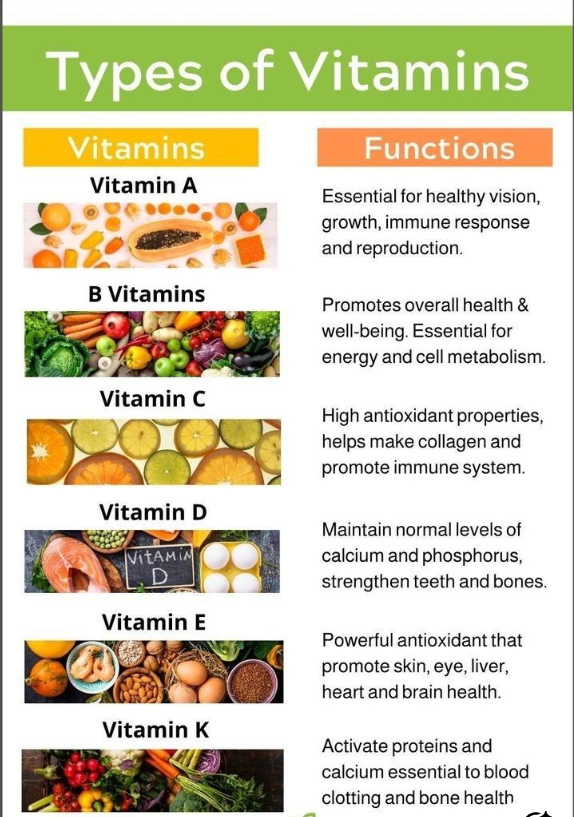
Vitamin D Deficiency in India
A recent webinar titled “Vitamin D Deficiency: Myths vs Reality”, part of the "Healthy India, Happy India" initiative , highlighted that Vitamin D deficiency has reached epidemic levels in India, affecting 40% to 90% of the population.
Key Insights:
lifestyle factors like indoor living, sunscreen use, and sun-protective clothing leads to Vit D deficiency.
Deficiency leads to rickets in children and osteomalacia in adults.
requires mid-day sun exposure, dietary sources (fish, egg yolk, fortified milk, mushrooms), and supplements, as only 20% of oral Vitamin D is absorbed.
Need targeted screening, fortified food programs, and awareness of over-supplementation risks.
Vitamin D’s broader benefits beyond bones—supports blood pressure regulation, reduces inflammation, and may lower risks of diabetes, arthritis, respiratory infections, and certain cancers.
About Vitamin D
Vitamin D is a group of fat-soluble compounds crucial for the absorption of calcium, magnesium, and phosphate, supporting bone health and several other biological functions.
Key Forms
Vitamin D2 (Ergocalciferol) – Plant-based, from ergosterol
Vitamin D3 (Cholecalciferol) – Synthesized in human skin via UVB sunlight from 7-dehydrocholesterol
Other lesser-known forms: D1, D4, D5
Sources
Sunlight: Main natural source (via UVB exposure)
Diet: Fish, eggs, fortified milk/cereals
Supplements: Widely recommended, especially in areas with low sunlight exposure
Food Fortification: Common in countries like the U.S.
Metabolism & Function
D3 → Calcifediol (25(OH)D) in the liver
Then → Calcitriol (1,25(OH)₂D) in the kidneys/immune cells, the biologically active form
Calcitriol binds to vitamin D receptors (VDRs) present in many body tissues
Health Roles
Essential for bone growth and density
Prevents rickets in children and osteomalacia in adults
Linked to immune function, inflammation control, and possibly chronic diseases (evidence for benefits in already sufficient individuals remains inconclusive)
History
Discovered in 1922 during studies on rickets
Adolf Windaus won the 1928 Nobel Prize for research on sterols and vitamin D
Types of Vitamin D
| Type | Name | Source/Note |
|---|---|---|
| D1 | Ergocalciferol + Lumisterol mix | Rare, not commonly used |
| D2 | Ergocalciferol | Plant-based, from ergosterol |
| D3 | Cholecalciferol | Skin-derived from UVB sunlight |
| D4 | 22-dihydroergocalciferol | Less common |
| D5 | Sitocalciferol | From 7-dehydrositosterol |