
WHO Essential Medicines List: Inclusion of GLP-1 Drugs
Context
-
WHO updated its Model List of Essential Medicines (EML) .
-
Added GLP-1 receptor agonists (semaglutide, dulaglutide, liraglutide, tirzepatide).
-
Intended for treatment of type 2 diabetes with comorbidities (CVD, CKD, obesity).
Rationale
-
Global burden:
-
800 million+ people with diabetes (2022), half untreated.
-
1 billion+ people obese, rising fastest in LMICs (low- and middle-income countries).
-
-
High cost barrier: Drugs too expensive, limiting access.
-
Out-of-pocket expenditure on NCDs (esp. medicines) is high in LMICs.
-
Inclusion in EML leads pathway for lower costs, generic entry, bulk procurement, better affordability and access.
Medical Significance
-
Dual benefit: Glucose control + weight loss.
-
Proven impact in reducing cardio-metabolic risks.
-
Semaglutide recently approved for metabolic dysfunction-associated steatotic liver disease (MASLD).
Implications for India
-
Positive:
-
Could reduce drug prices in long run.
-
May expand access for patients with diabetes + obesity + CVD/CKD.
-
-
Challenges:
-
High cost, injectable form, and limited patient affordability.
-
Needs to be balanced with ensuring availability of basic essential medicines for larger population base.
GLP-1 Drugs (Glucagon-Like Peptide-1 Receptor Agonists)
What are they?
-
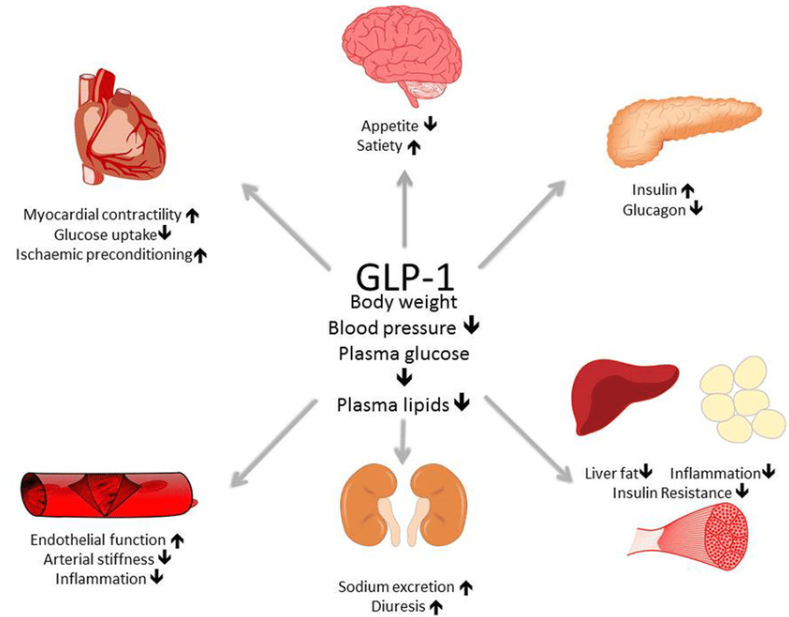
A class of medicines that mimic the action of GLP-1, a natural hormone in the body.
-
GLP-1 is an incretin hormone released from the gut after eating.
-
It plays a major role in regulating blood sugar, appetite, and weight.
Mechanism of Action
-
Stimulate the pancreas to release insulin when blood sugar is high.
-
Suppress glucagon (a hormone that raises blood sugar).
-
Slow down gastric emptying, leading to reduced appetite.
-
Promote weight loss in obese/overweight patients.
Common GLP-1 Drugs
-
Semaglutide
-
Dulaglutide
-
Liraglutide
-
Tirzepatide (also acts on GIP receptor in addition to GLP-1).