
World Population Day and the UNFPA Global Population Report:
Why in news:
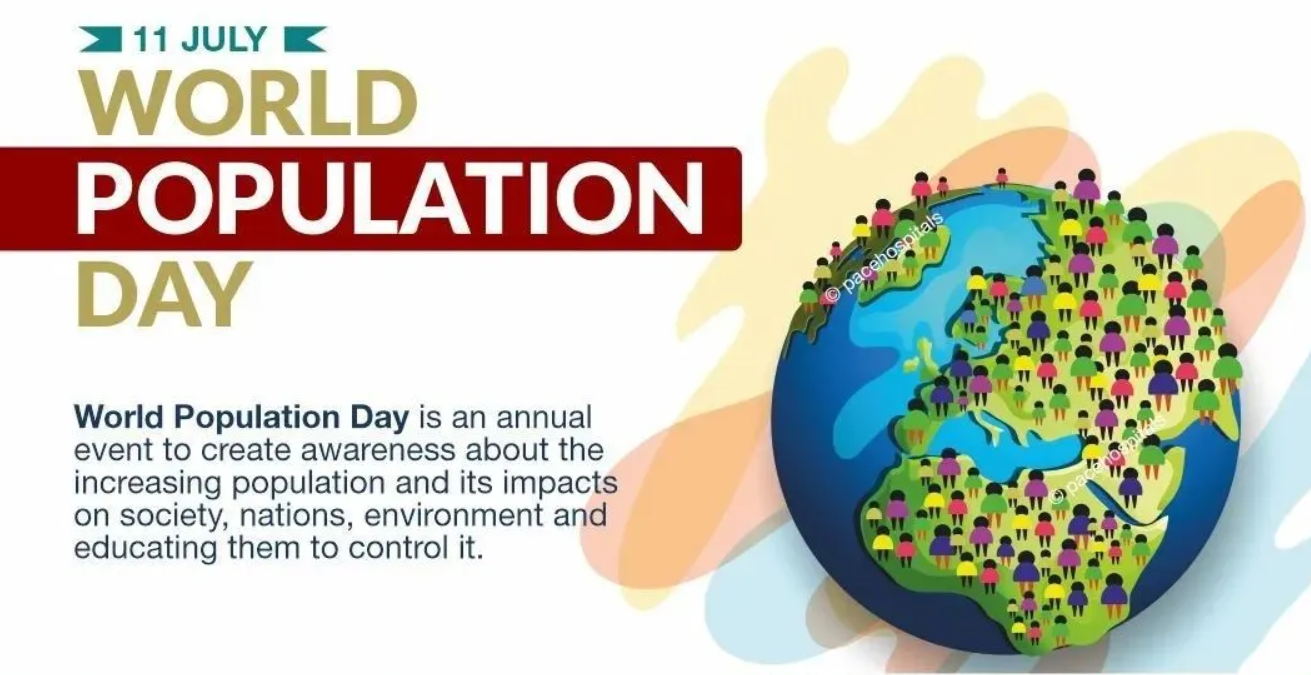
On World Population Day, the United Nations Population Fund (UNFPA) emphasized that the real global fertility crisis is not about numbers, but about reproductive agency — particularly women’s ability to make voluntary and informed choices regarding childbirth.
World Population Day 2025 theme--> "Empowering young people to create the families they want in a fair and hopeful world."
Message from UNFPA Report (2025):
1. Reframing the Fertility Debate:
-
Falling fertility rates are often misinterpreted as deliberate personal choice.
-
However, many women lack autonomy — about 25% are unable to say no to sex.
-
Fertility is shaped by gender norms, inequality, economic constraints, and social pressure, not merely by individual preferences.
2. Rights-Based Approach to Fertility:
-
Real support should empower choice, not enforce national demographic targets.
-
UNFPA advocates for:
-
Affordable housing, childcare, decent work, and equitable pay
-
Accessible reproductive and fertility healthcare
-
Parental leave for all family types
-
Social acceptance and legal rights for diverse family structures, including same-sex couples.
-
3. Gender and Lifecycle Equity:
-
Fertility issues are deeply rooted in gender inequality from early life stages.
-
Lifecycle investments in education, health, and empowerment of girls are essential.
4. Against Coercive Policies:
-
UNFPA warns against baby bonuses or demographic incentives that bypass real needs.
-
True demographic resilience requires inclusive and empowering policies.
5. Social and Political Leadership Needed:
-
Legal policies alone are insufficient; social change and political will are vital.
-
Governments must show courage and foresight in dealing with demographic transitions.
UPSC Syllabus :
-
Relevant for GS Paper I (Society, Population & Women Empowerment) and GS Paper II (Governance, Social Justice).
-
Highlights intersection of demographics, gender rights, and social policy.
-
Aligns with SDGs 3, 5, and 10 — Good Health, Gender Equality, Reduced Inequality.